The Small Wetlands That Remember Rain
Small ponds, scrapes and seasonal marshes slow stormwater, recharge soil and give wetland species usable habitat even when they are too small to dominate a map.
Owen Pike ·
A wetland does not need to be a famous reserve to change a landscape. It can be a rain-fed hollow at the edge of a field, a farm pond with rushes, a roadside scrape, or a shallow basin that appears after winter storms and dries before late summer. To a map it may look like a gap between larger features. To amphibians, dragonflies, sedges, microbes and thirsty soil, it is working infrastructure.
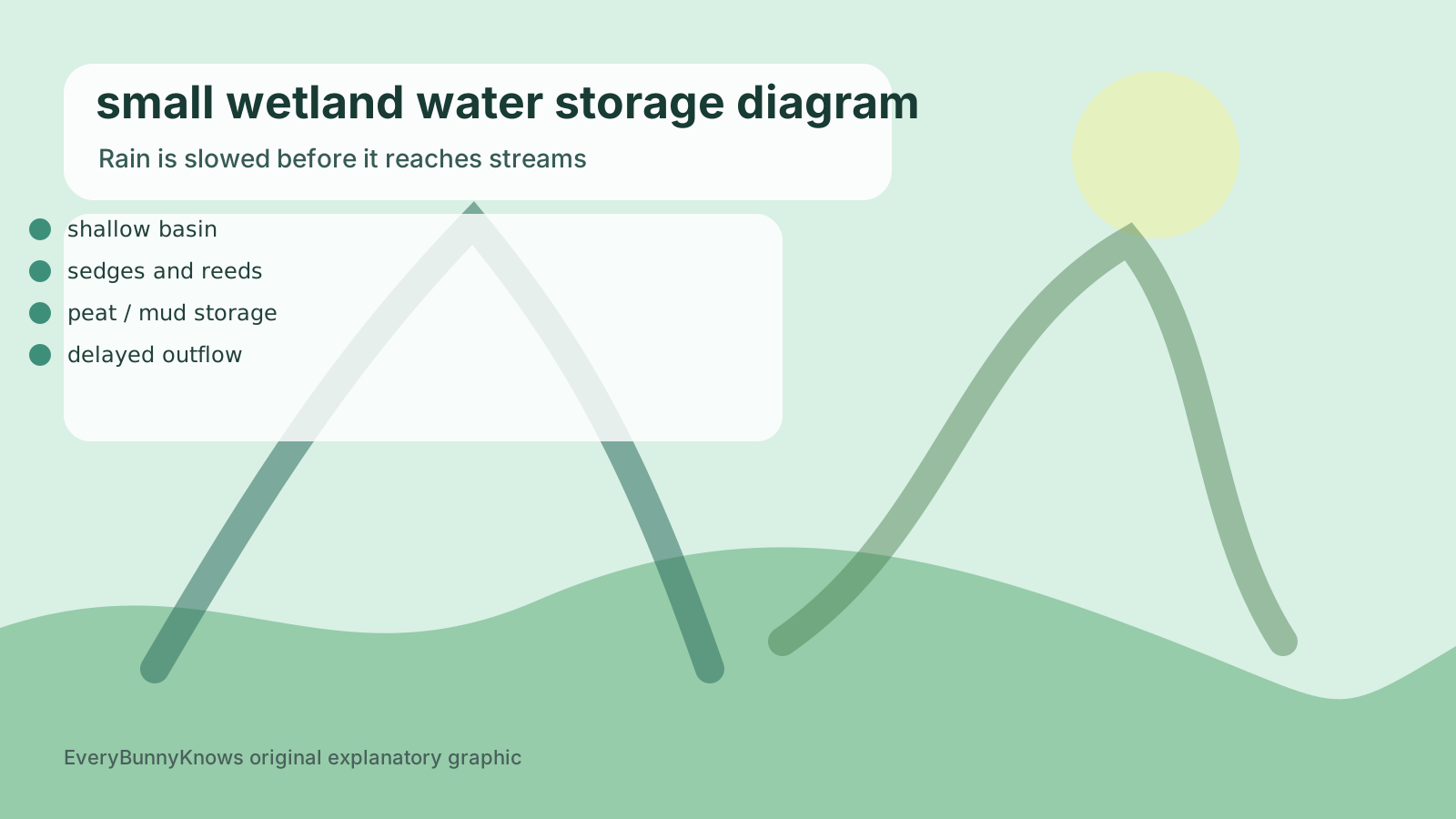
The mechanism is delay. When rain falls hard on compacted ground, roofs or drained fields, water can rush into ditches and rivers in a short pulse. A small wetland spreads that pulse sideways and downward. Stems and leaf litter roughen the flow. Fine sediment drops out. Peat, mud and root mats hold water like a sponge. Some water seeps into the shallow groundwater; some evaporates; some leaves later through a narrow outlet. The result is not magic flood control, but a measurable change in timing.
That timing is why small wetlands are ecologically large. Temporary ponds often lack fish, so frog and newt larvae can survive with less predation. Shallow edges warm quickly in spring, feeding insects that support swallows and bats. Muddy margins host plants adapted to alternating wet and dry conditions. Even a pond smaller than a hectare can add habitat variety to an otherwise simplified agricultural or suburban landscape.
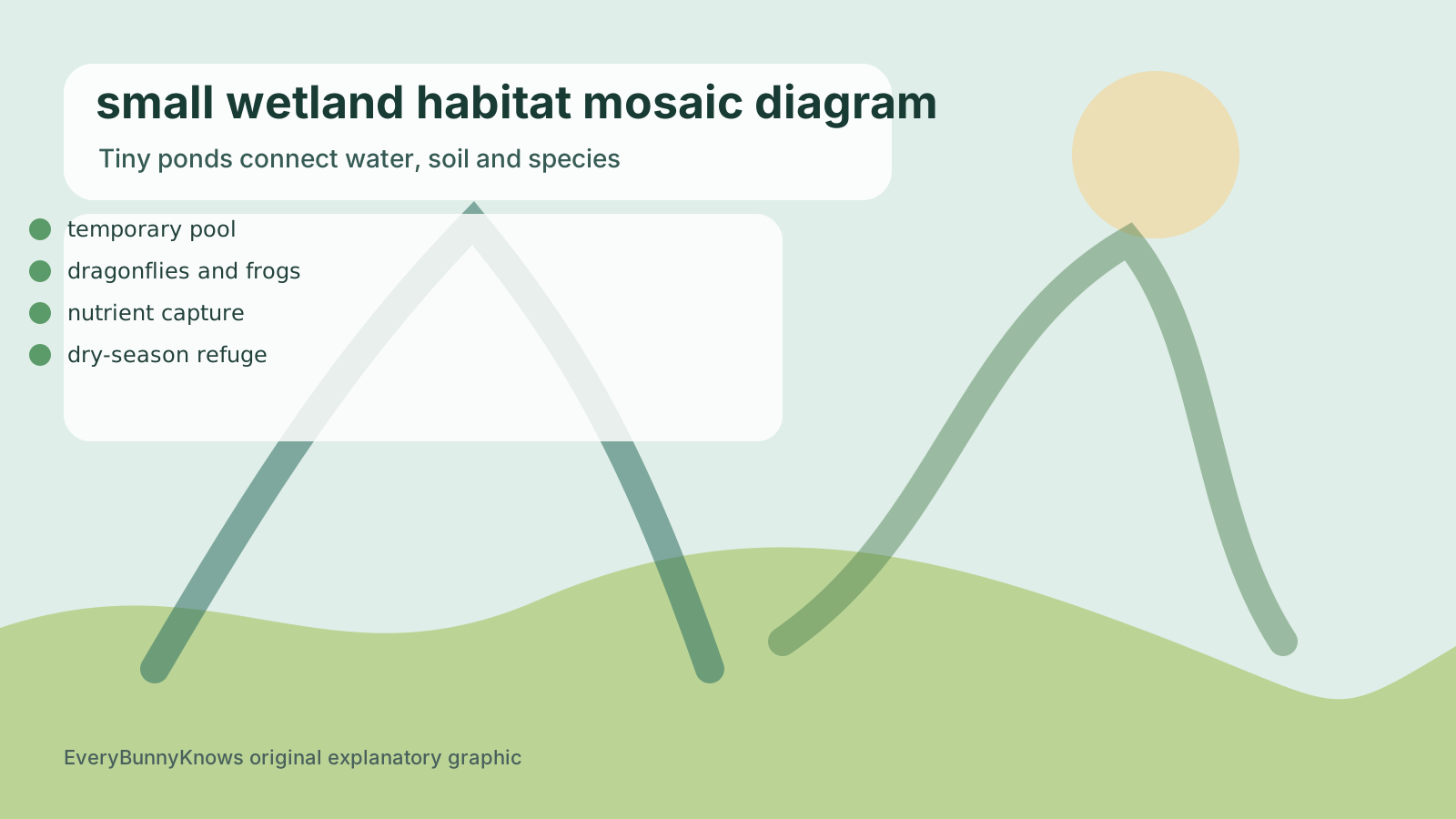
The limits matter. A single garden pond cannot replace a fen, peat bog or floodplain marsh, and polluted runoff can overwhelm a tiny basin. Wetlands also need seasonal water levels: making every pond permanently deep can remove the temporary habitat that many insects and amphibians use. Good restoration therefore starts with place. Soil type, slope, inflow, surrounding land use and native plants decide whether a scrape becomes a living wetland or only a hole full of water.
The Ramsar Convention helped make wetlands visible as globally important ecosystems, while regions such as North America’s Prairie Pothole Region show how millions of small basins can shape birds, water storage and farming landscapes together. The lesson scales down as well as up. A ditch allowed to hold water, a school pond planted with local sedges, or a field corner reconnected to rainfall can give a catchment a longer memory.
Small wetlands also need neighbors. A pond surrounded by mown grass has fewer hiding places and fewer plant stems than one linked to a hedge, a rough meadow or a damp ditch. Buffer strips reduce fertilizer and pesticide pulses before they reach the water. Fallen branches and uneven banks create shade, egg-laying surfaces and safe edges for animals moving between wet places and dry edges. In restoration reports, these details can look secondary, yet they often decide whether the water becomes habitat or only scenery for decades.
Small wetlands remember rain by refusing to let it disappear at once. Their promise is practical and modest: hold the drop, slow the rush, give roots and larvae time, and let a wet place do the quiet work that dry maps often miss.