The unseen architects who keep the internet usable
The internet works because protocol writers, registry operators, network engineers, exchange-point teams and incident responders maintain shared rules as carefully as hardware.
Simon Glass ·
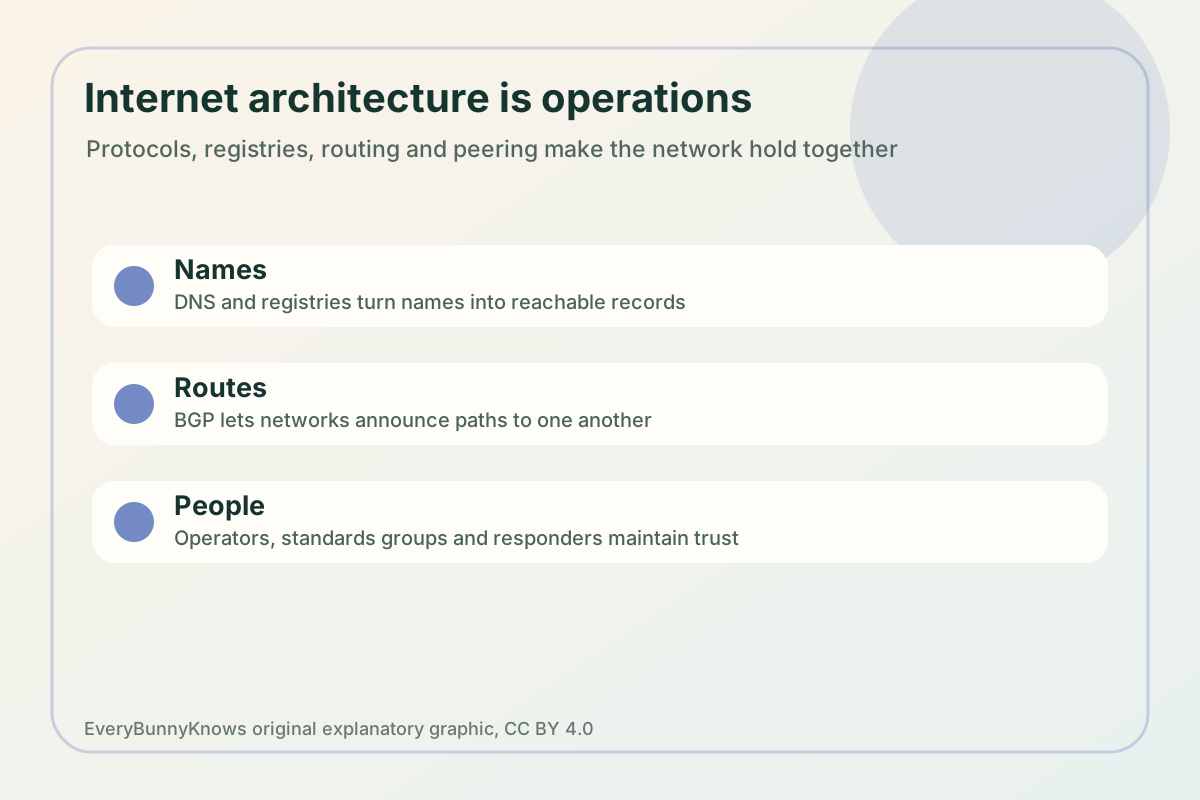
The internet is often described as if it were a cloud, but its architecture is maintained by people with mailing lists, registries, peering sessions, maintenance windows and incident reports. No single owner decides how every packet moves. Instead, thousands of autonomous networks agree to use shared protocols, publish routes, exchange traffic and recover when a cable, data centre, software release or routing announcement goes wrong. The unseen architects are not only famous inventors; they are the standards editors, registry operators, network engineers and security teams who keep agreement possible.
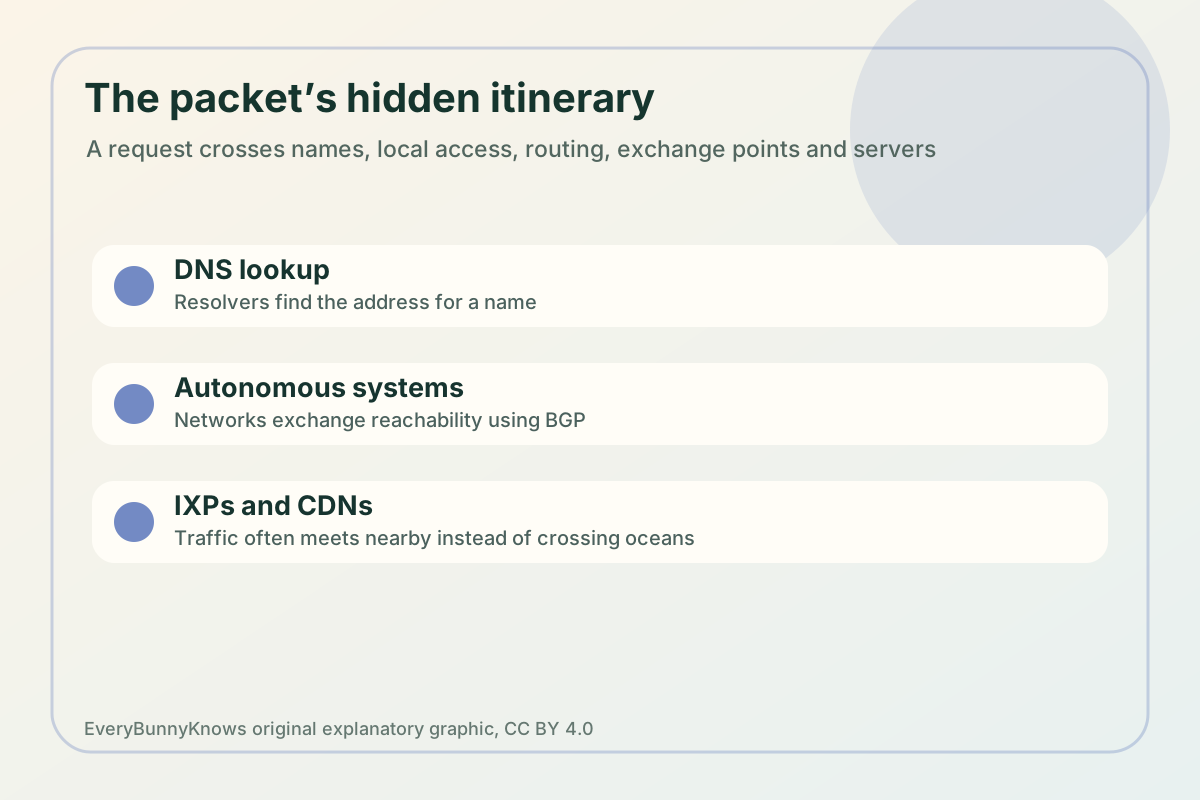
The mechanism begins with naming and addressing. When a browser asks for a site, the Domain Name System turns a human name into records that point toward servers. ICANN coordinates the global DNS root through the IANA functions, while regional internet registries such as ARIN, RIPE NCC, APNIC, LACNIC and AFRINIC allocate IP addresses and autonomous system numbers. These administrative facts sound dull, but without them networks would collide over names and numbers before engineering could even start.
Routing is the next layer of trust. The Border Gateway Protocol lets autonomous systems announce which address blocks they can reach and choose paths through other networks. BGP is powerful because it lets the internet grow without a central switchboard. It is fragile because networks can accidentally or maliciously announce bad routes. That is why operators increasingly use route filtering, the Resource Public Key Infrastructure and incident coordination to reduce leaks and hijacks. A resilient internet is partly a social practice of checking what neighbours announce.
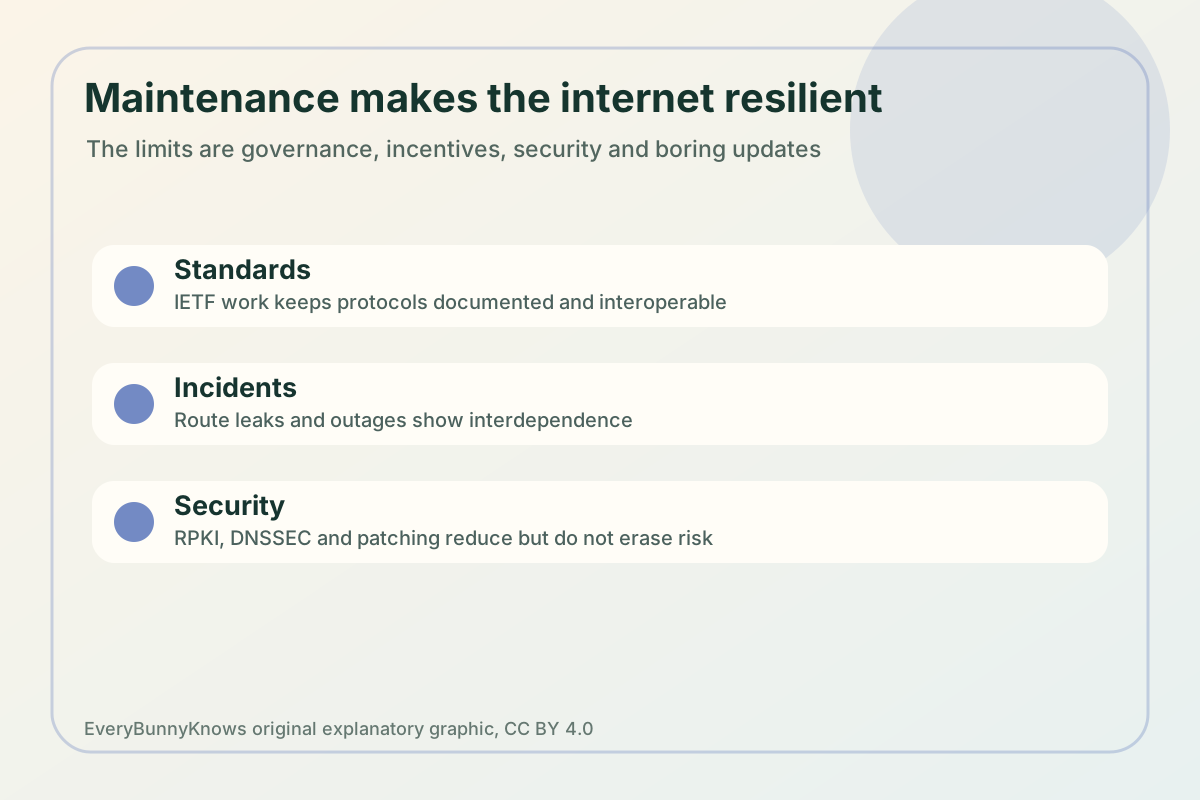
A third group of architects works in implementation rather than protocol design. Open-source maintainers keep resolver software, web servers, encryption libraries and router operating systems patched. Data-centre and submarine-cable teams plan capacity and repairs. Abuse desks and computer-security incident responders investigate spam, denial-of-service attacks and compromised machines. Their work is rarely visible when everything is healthy, which is exactly the point: architecture becomes dependable only when maintenance is routine.
Exchange points and content networks make the system faster and less wasteful. At an internet exchange point, many networks meet in one facility or metro area so traffic can pass locally instead of taking a long paid transit path. Content delivery networks place copies of popular material near users. Fibre routes, submarine cables, data centres and power systems still matter, but the performance a reader feels often comes from these careful decisions about where networks meet.
The limits are real. Standards bodies such as the IETF document protocols through rough consensus and running code, but adoption depends on vendors, operators and incentives. DNSSEC, IPv6 and RPKI improve parts of the system, yet none deploys instantly everywhere. A single misconfiguration can still cause a regional outage. Concentration in cloud providers and CDNs can make some services efficient while also making failures more visible.
The hopeful point is not that the internet is magically self-healing. It is that a global network can keep working when many independent groups maintain common rules in public. The next time a page loads, the hidden achievement is not only fibre and servers. It is the patient architecture of interoperability: names that resolve, routes that can be checked, peers that exchange traffic, and operators who answer each other before a local fault becomes a global one.