The Valleys That Make Their Own Weather
Mountain valleys can trap cold air, fog and pollution at night, then release slope winds by day; their shapes turn broad weather into local microclimates.
Hana Meridian ·
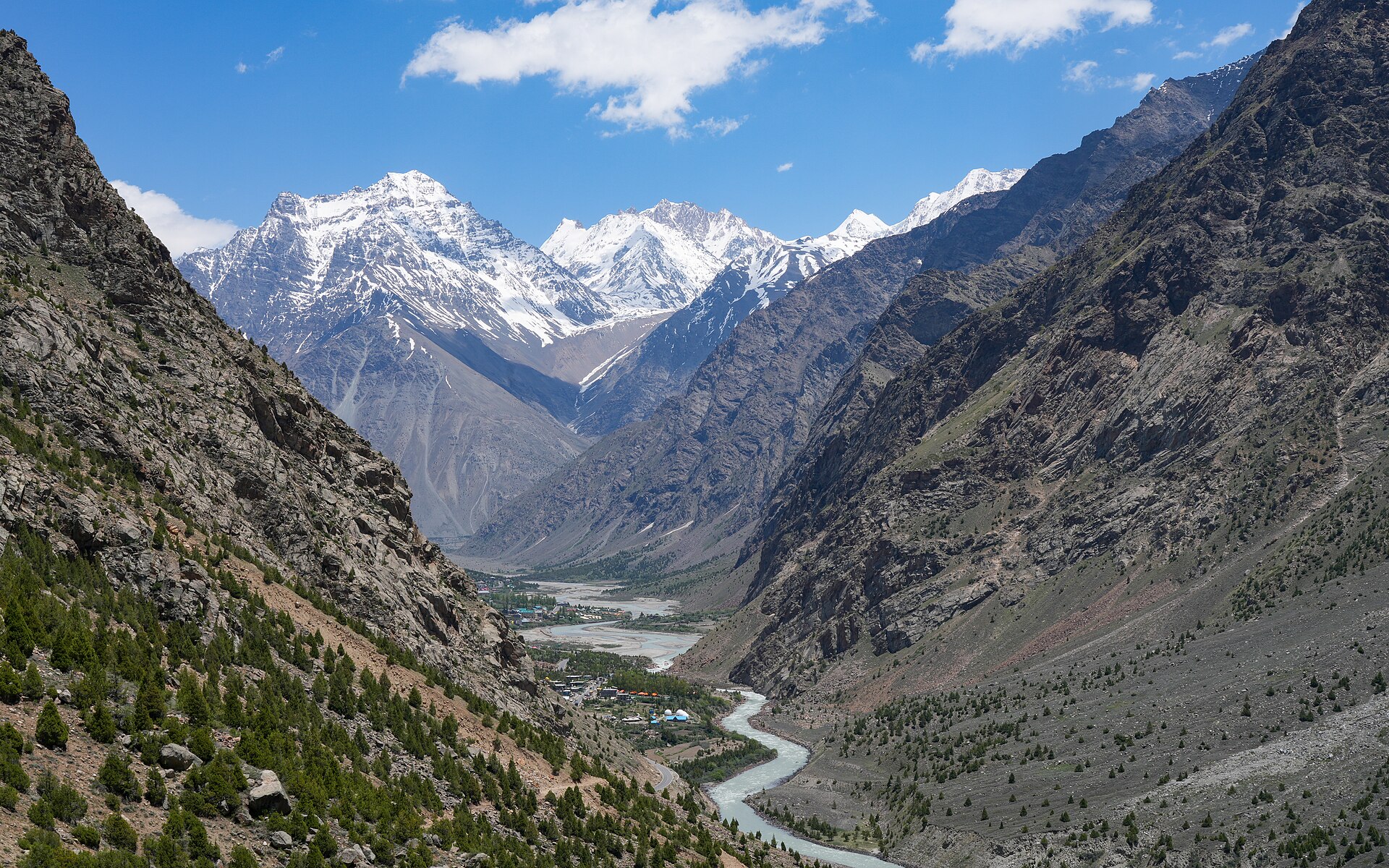
Stand at the bottom of a mountain valley before sunrise and the air can feel older than the morning. Cold air has drained from the slopes during the night and settled along the river like invisible water. A village roof may glitter with frost while an orchard a little higher up escapes untouched. The valley has not merely received the weather; its shape has edited it.
Valleys are among the planet’s best small laboratories for climate because they compress height, shadow, wind and water into short distances. After sunset, slopes lose heat quickly and dense air slides downslope as a katabatic flow. In a closed basin or a narrow valley floor, that air can pool beneath warmer air above it, creating an inversion. Fog, smoke and pollution may linger until sunshine or stronger winds mix the layers again. A difference of a few hundred metres can therefore decide whether a field freezes, a road stays icy or a town wakes under haze.
The daytime pattern can reverse. Sunlit slopes warm faster than shaded ones, pulling air upward and setting up local breezes. South-facing slopes in the Northern Hemisphere often receive more winter sun, which is why vineyards, villages and orchards have historically favoured particular sides of Alpine and other mountain valleys. The opposite slope may hold snow longer, feed cooler streams or preserve forest species that would struggle on warmer ground. To read a valley well is to notice both the floor and the walls.
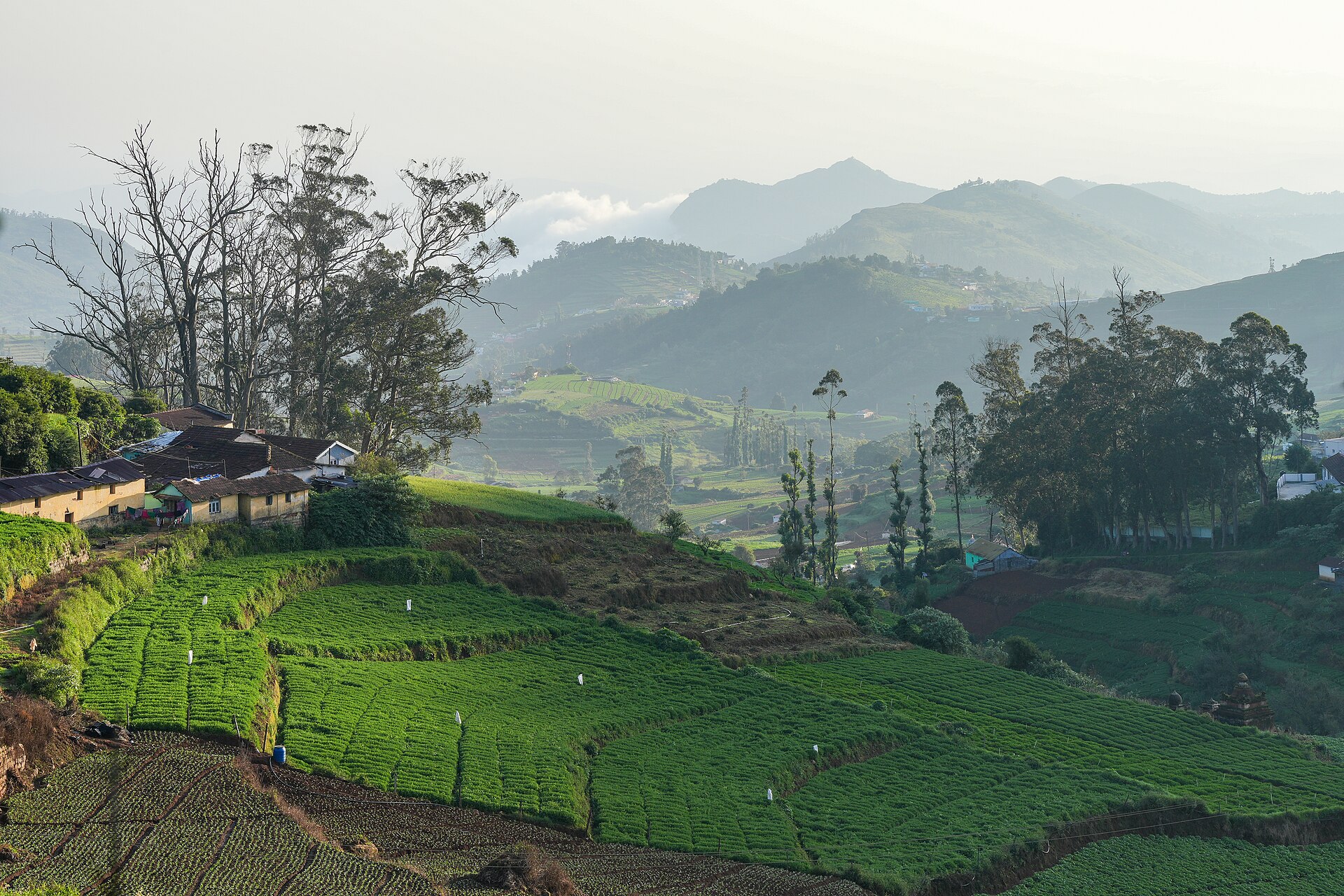
These microclimates matter for people as much as for plants. Innsbruck, Alpine towns, deep Appalachian hollows and desert basins all show versions of the same rule: terrain can turn a regional forecast into several local realities. Farmers choose frost-safe plots, road crews watch cold pockets, and public-health teams care about inversions because they can trap fine particles near homes. In dry valleys, the effect can intensify heat; in snowy ones, it can decide where meltwater starts first.
The same geography explains why two reliable observers can describe the same storm differently. A ridge-top station may record a cleansing wind while the valley floor remains still. A forecast for rain can become sleet on a shaded road and wet pavement on the sunny side. Even wildfire smoke follows this small-scale logic, draining and pooling at night before daytime mixing lifts it away. For planners, the practical answer is not to replace regional forecasts but to layer them with terrain-aware maps, sensors and local records. The more mountainous the place, the more the forecast needs a memory of the ground.
There are limits. A valley does not make weather from nothing, and local observations can be overwhelmed by a strong front, a föhn wind or a changing snowpack. Climate change adds another complication: warmer air shifts snowlines and heat risks, but the details still depend on slope, exposure, land cover and night-time mixing. That is why small weather stations, local knowledge and high-resolution models all matter. A valley is a room without a ceiling, but it still has walls, drafts, corners and habits — and those habits shape daily life.