How Water Clocks Helped Cities Share Time Before Mechanical Clocks
Clepsydrae turned flowing water into shared civic time, helping courts, temples, astronomers and cities coordinate hours long before tower clocks and electrical signals.
Mira Vale ·
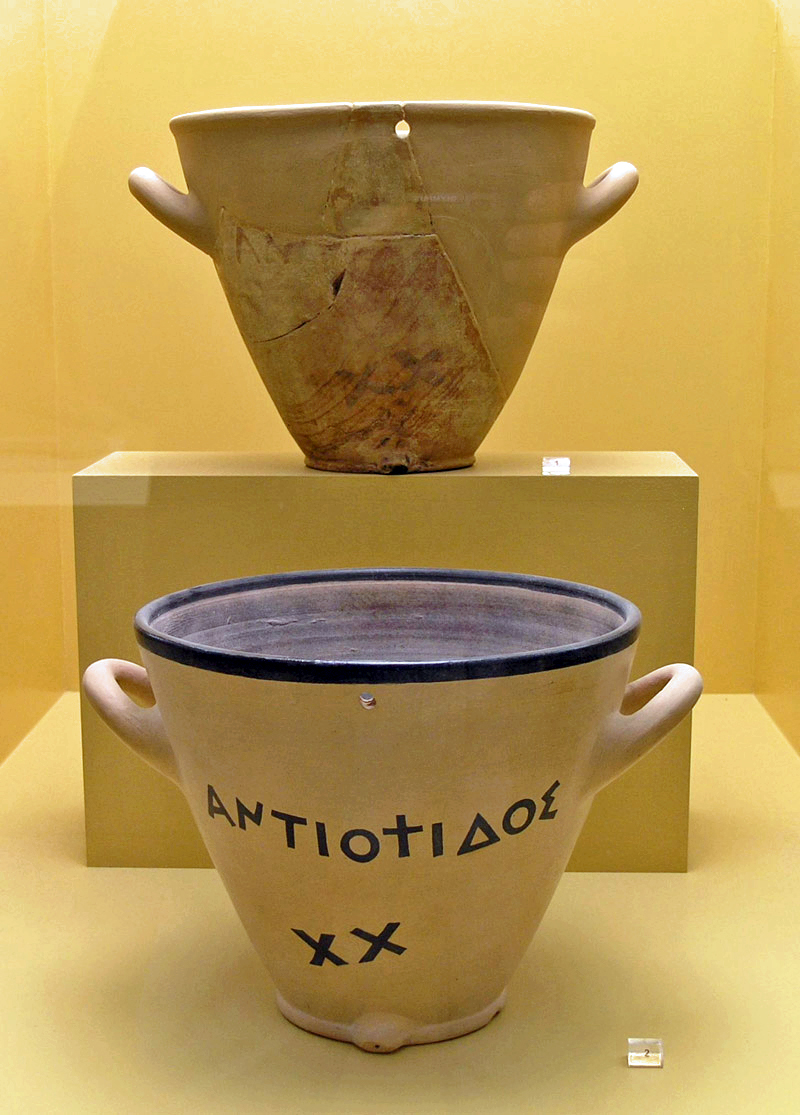
Before city clocks rang from towers, time often had to be poured, watched and corrected by hand. Water clocks, or clepsydrae, used the steady movement of water into or out of a vessel to divide a day into measurable portions. They could not give a modern city's exact minutes, but they solved a hard civic problem: how to make time visible enough for courts, temples, markets, schools and officials to share it.
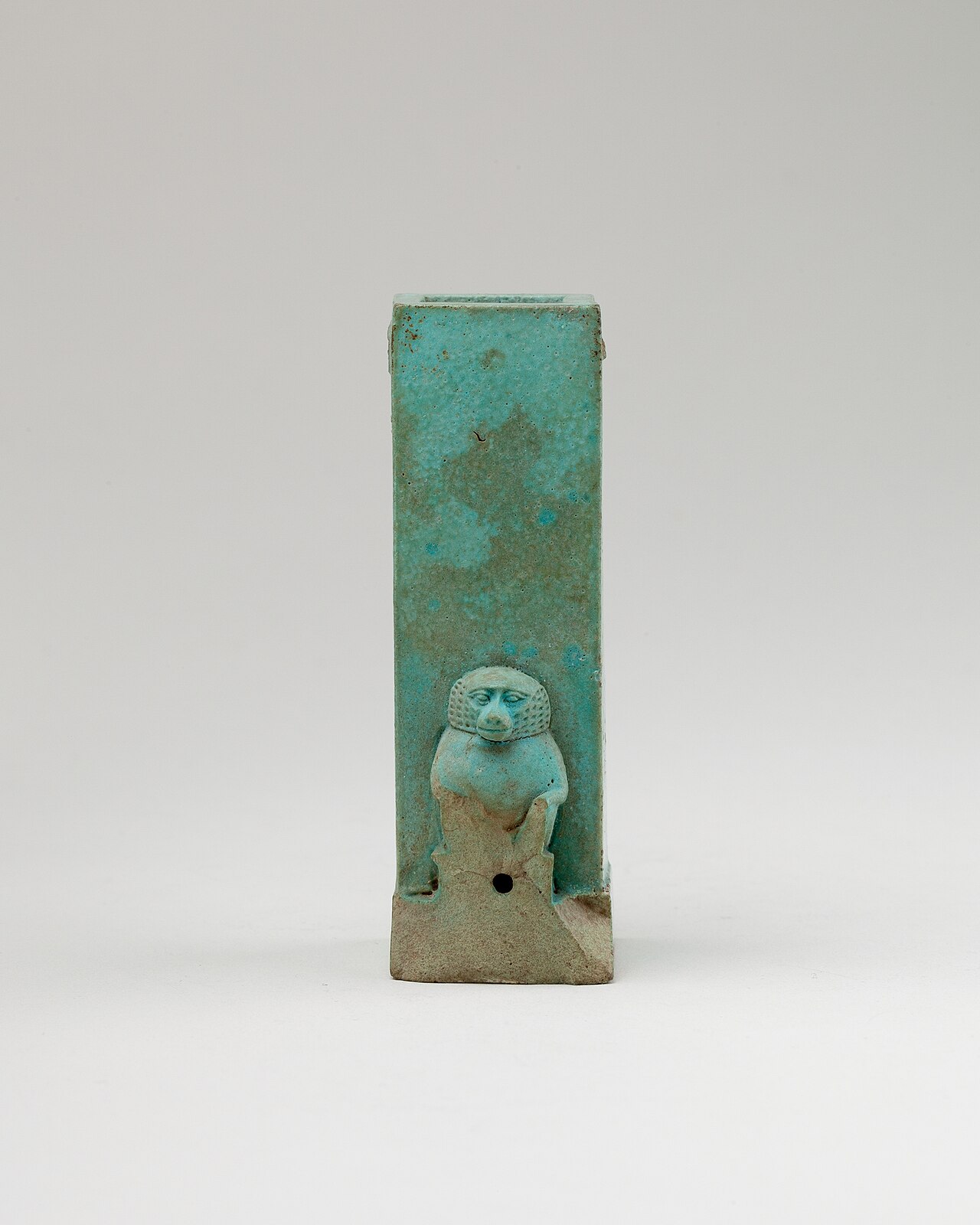
The mechanism was simple in principle and demanding in practice. If water flows through a small opening, the changing level can be matched to marks on a container or to a moving float. In an outflow clock, the vessel empties past calibrated lines. In an inflow clock, rising water moves a pointer, float or display. Either way, the device turns a hidden quantity, duration, into a visible surface. The challenge is that water does not behave perfectly. Pressure changes as the level rises or falls, openings clog, temperature affects flow, and seasonal daylight can make equal-looking divisions misleading.
That is why water clocks taught more than measurement. They taught maintenance and public agreement. A useful civic clock needed someone to fill it, clean it, check it against the sun or stars and decide which scale applied at which season. In ancient Egypt, Greece, China, the Islamic world and medieval Europe, water clocks appeared in different forms because communities needed shared timing for different jobs. A courtroom could limit speeches. A monastery or mosque could organize prayer. Astronomers could compare observations. A city could coordinate work without every person carrying a private instrument.
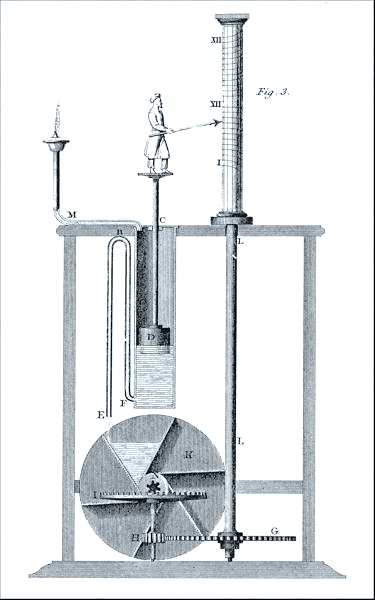
The social part matters. A clock is not only a machine; it is a promise that the same rule applies to everyone looking at it. Water clocks made that promise before gears and pendulums made it easier. Their visible bowls, floats and marks helped communities trust a process that was repeatable enough to settle disputes. The devices also encouraged mechanical imagination. Once water could move a pointer, release a ball, turn a drum or animate a figure, timekeeping became a field where engineering and public ceremony overlapped.
There are limits to the romance. Clepsydrae drifted, needed supervision and could be less precise than later mechanical clocks. They also did not create one universal time standard. Local daylight, calendars, ritual schedules and political authority still shaped what counted as the right hour. The strongest claim is more practical: water clocks gave societies a way to externalize time before mechanical escapements and later electrical signals made synchronized time ordinary.
The long history also shows why old technologies should not be judged only by later precision. A clepsydra that looks approximate beside a pendulum could still be exact enough for a legal speech, a ritual interval or an astronomical note. Its success depended on fit: the right device for the social problem at hand, maintained by people who understood its flaws.
For readers today, their value is a reminder that infrastructure begins when a community agrees to trust a maintained system. The water clock was a vessel, a hole, a scale and a routine, but together those parts changed how people shared waiting, speaking, praying and working. Cities learned to share time not all at once, but drop by drop.