How St. Eustatius’ Jewish Merchants Helped Move Gunpowder to the American Revolution
A Philadelphia exhibition revives the story of St. Eustatius, the Dutch Caribbean free port where Jewish merchants, Atlantic trade networks and imperial loopholes helped supply the American Patriots.
Noah Circuit ·
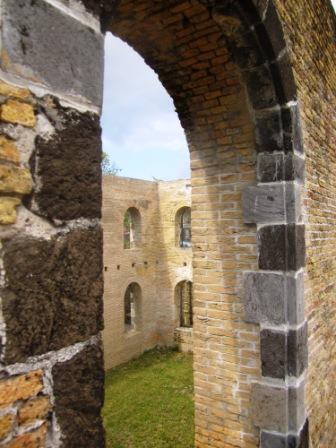
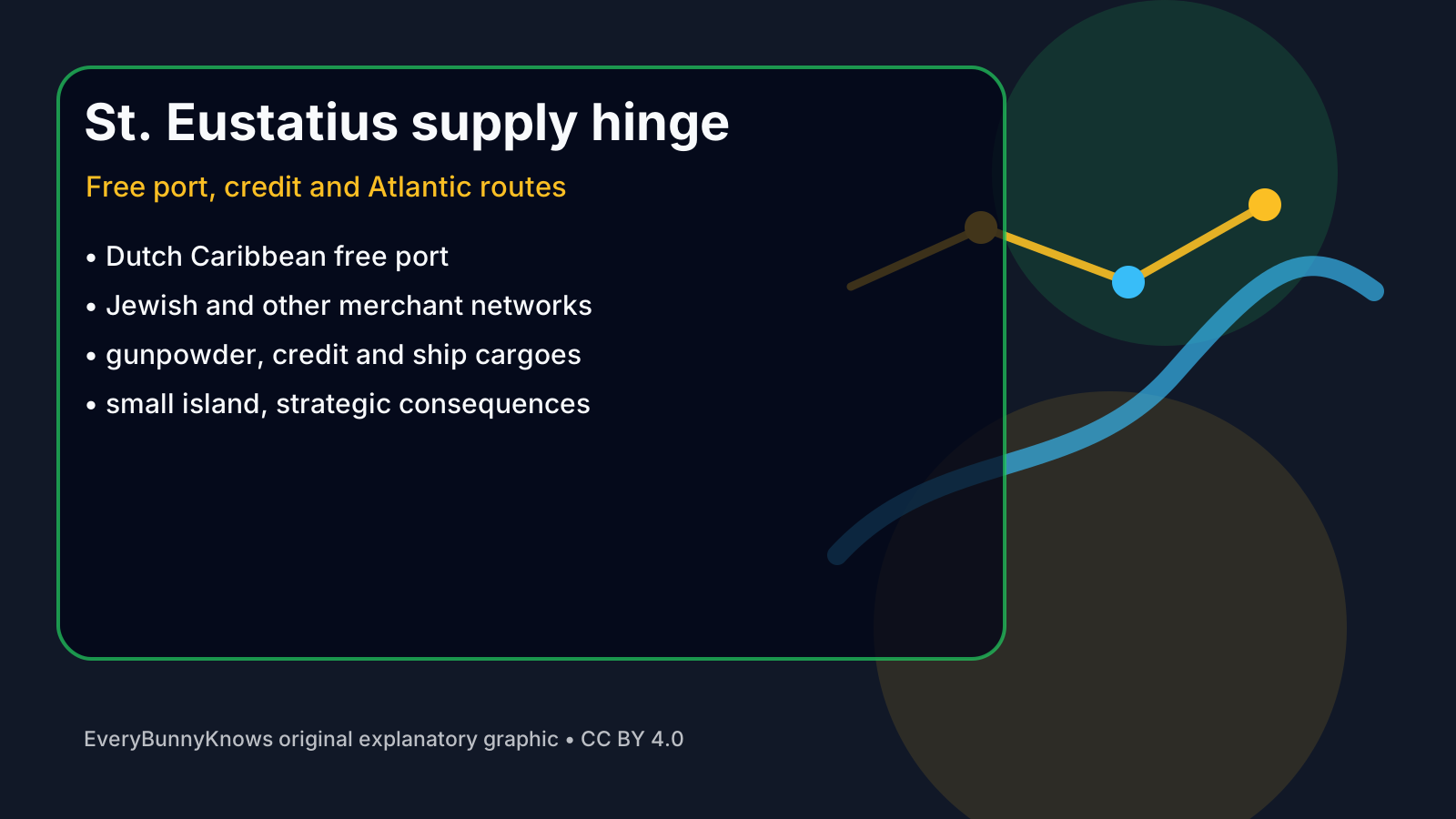
A Philadelphia museum exhibition has brought new attention to a small Dutch Caribbean island that mattered to the American Revolution because it knew how to move goods. St. Eustatius, often called Statia, was a free port where ships, credit, barrels and multilingual merchants crossed imperial lines. Among the people working in that world were Jewish merchants connected to the island's Sephardic community and the Honen Dalim synagogue. Their story is not a footnote to a battlefield. It is a reminder that revolutions survive only when ideas can also be supplied.
The mechanism was logistics, not battlefield glory. The Patriots needed gunpowder, cloth, food, paper, credit and ships at moments when Britain tried to choke off supply. A neutral or Dutch port could make imperial control porous. Cargo might arrive under one flag, be sold through brokers with family and commercial ties, and leave again with paperwork that blurred political loyalty. In that gray zone, a tiny island could become strategically large.
St. Eustatius was well placed for that role. In the eighteenth century it served as a busy entrepôt between Europe, North America and the Caribbean plantation economy. The island's Jewish community was part of a wider Sephardic Atlantic that linked Amsterdam, Curaçao, St. Eustatius, Suriname, New York, Philadelphia and other ports. Those links did not make every Jewish resident a Patriot agent. Some traded because trade was their livelihood; some had sympathy for the American cause; some were vulnerable minorities in an imperial economy that could turn punitive very quickly. The point is narrower and stronger: their skills, credit networks and local knowledge had real political weight.
British anger shows how consequential the traffic seemed. Admiral George Brydges Rodney seized St. Eustatius in 1781 and condemned the island in language that treated commerce itself as disloyalty. The famous First Salute of 1776, when Fort Oranje acknowledged the American brig Andrew Doria, gave Statia symbolic meaning. But the deeper importance was practical. Recognition, credit and supply could pass through the same harbor, and the empire's enemies understood that a warehouse could matter as much as a proclamation.
The limits matter. Exhibition stories are designed to make a neglected history visible; archival history is messier and more specific. It would be wrong to say that the whole Jewish community acted as one political body, or that St. Eustatius alone supplied the Revolution. It is more accurate to see the island as one busy node in a larger Atlantic system where merchants, including Jewish traders, helped move material through loopholes that great powers depended on but never fully controlled.
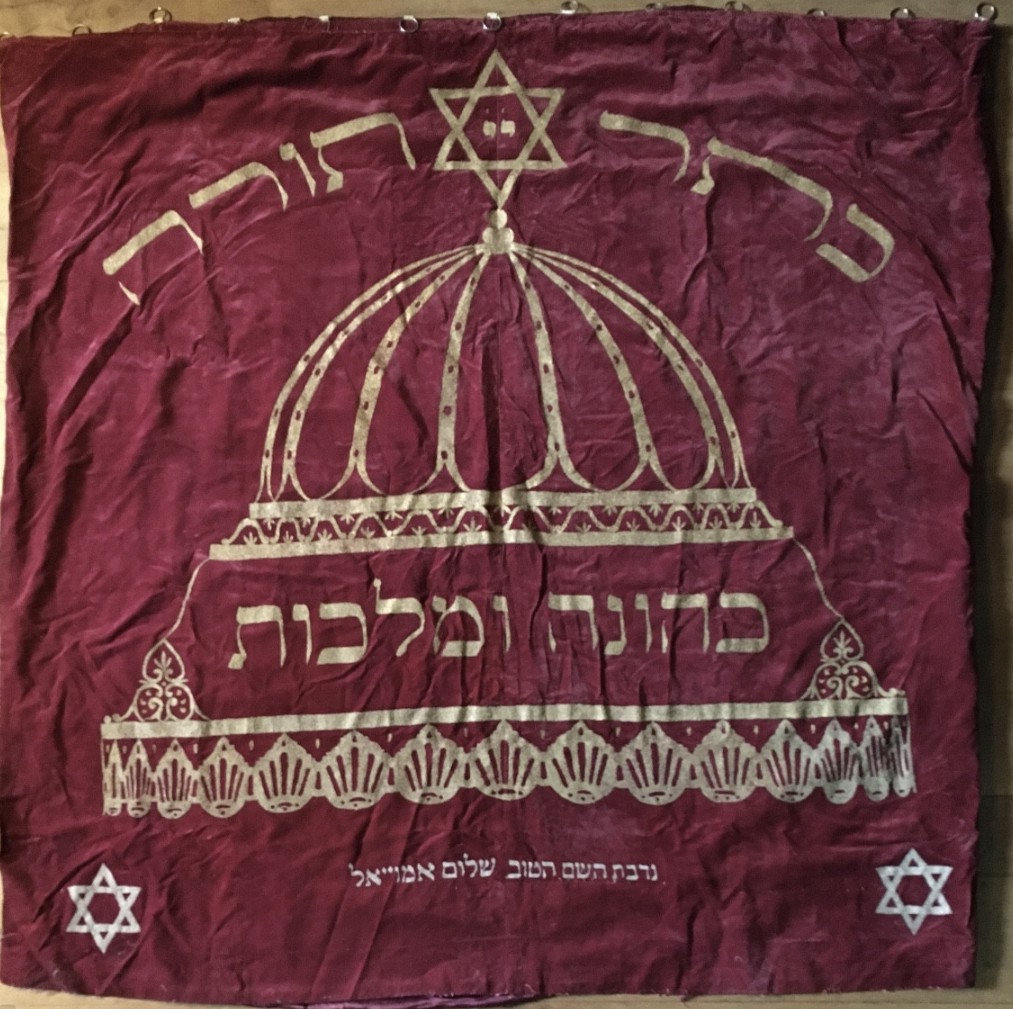
That careful framing also protects the people in the story from becoming symbols only. The ruins of a synagogue and a surviving ceremonial textile point to religious life, family memory and minority endurance, not merely to useful commerce. Their historical value is strongest when the practical and human dimensions stay together: people made a living, kept institutions alive and made risky choices inside systems built by empires.
For readers, the payoff is a better scale for revolutionary history. The American Revolution happened in assemblies and on battlefields, but it also depended on island storehouses, synagogue communities, account books, ships' captains and people who knew which rules could be bent before they broke. St. Eustatius makes the practical side of freedom visible: barrels, trust, risk and routes carried across water.