This Newly Described Raptor Hints at a Heron-Like Hunter in Cretaceous Patagonia
Kank australis, an unenlagiid theropod from Argentina’s Chorrillo Formation, adds a surprising possibility to dinosaur ecology: a long-necked predator that may have waded after fish and small animals near Late Cretaceous wetlands.
Noah Circuit ·
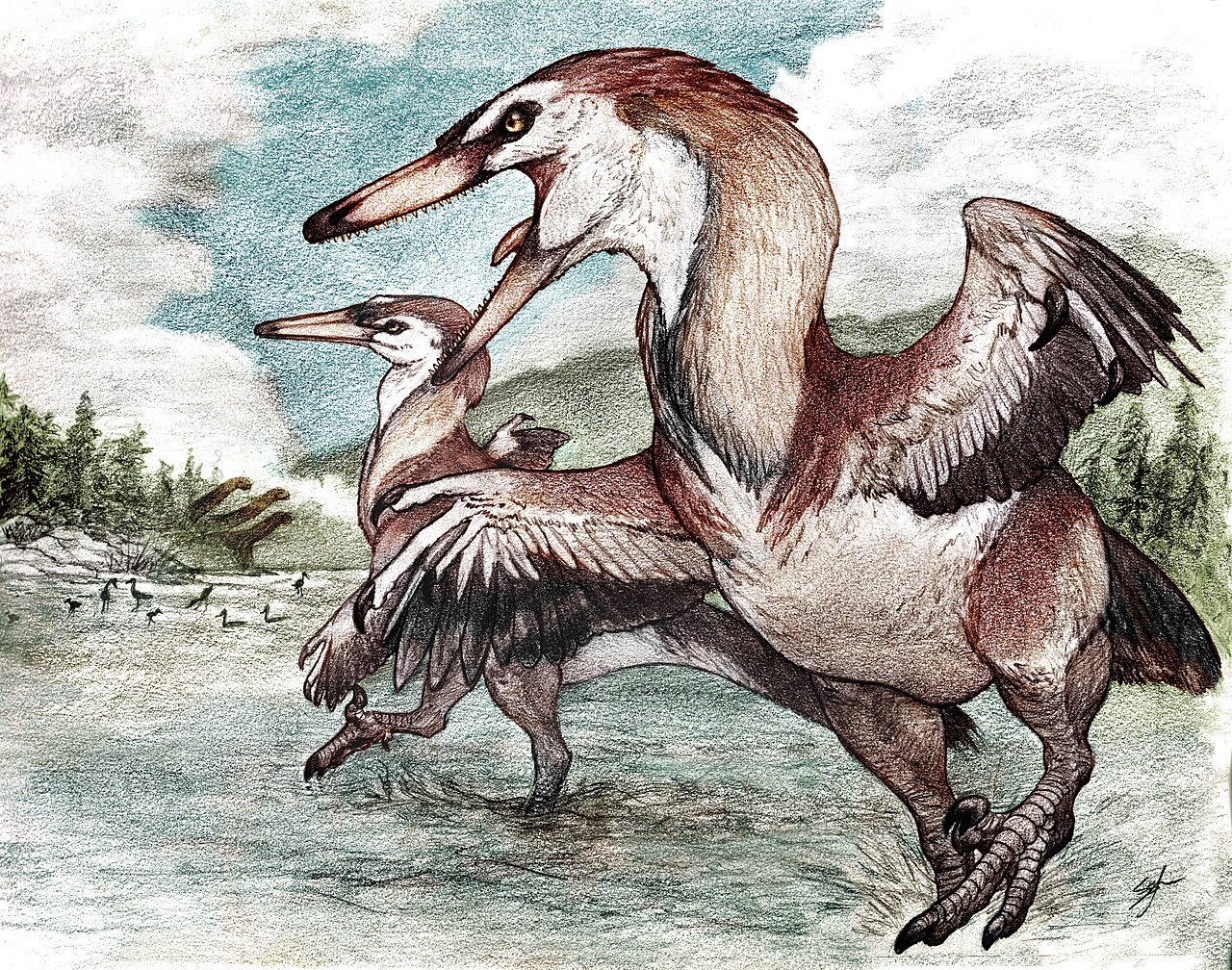
In the windswept fossil beds of southern Patagonia, a newly described dinosaur is asking a wonderfully specific question: could one branch of raptor-like predators have made a living more like a giant heron than a movie monster? The animal is *Kank australis*, reported in 2026 by Matías J. Motta and colleagues in the *Journal of Vertebrate Paleontology* from bones found in the Chorrillo Formation of Santa Cruz Province, Argentina. It lived near the end of the Cretaceous Period, roughly 70 million years ago, in a landscape that also preserved other southern dinosaurs, crocodile-line reptiles, turtles and evidence of water-shaped habitats.
That setting matters. “Raptor” is often used loosely for fast, clawed, meat-eating dinosaurs, but *Kank* belongs to the unenlagiids, a southern group within the broader paravian family tree. Unenlagiids were close enough to bird-line dinosaurs to invite comparisons with wings and feathers, yet they were not simply small versions of the famous northern dromaeosaurs. Patagonia has produced several of them, including *Unenlagia* and the long-snouted *Austroraptor*. Together they show that southern predatory dinosaurs experimented with body plans that do not fit the single stereotype of a pack-hunting land predator.
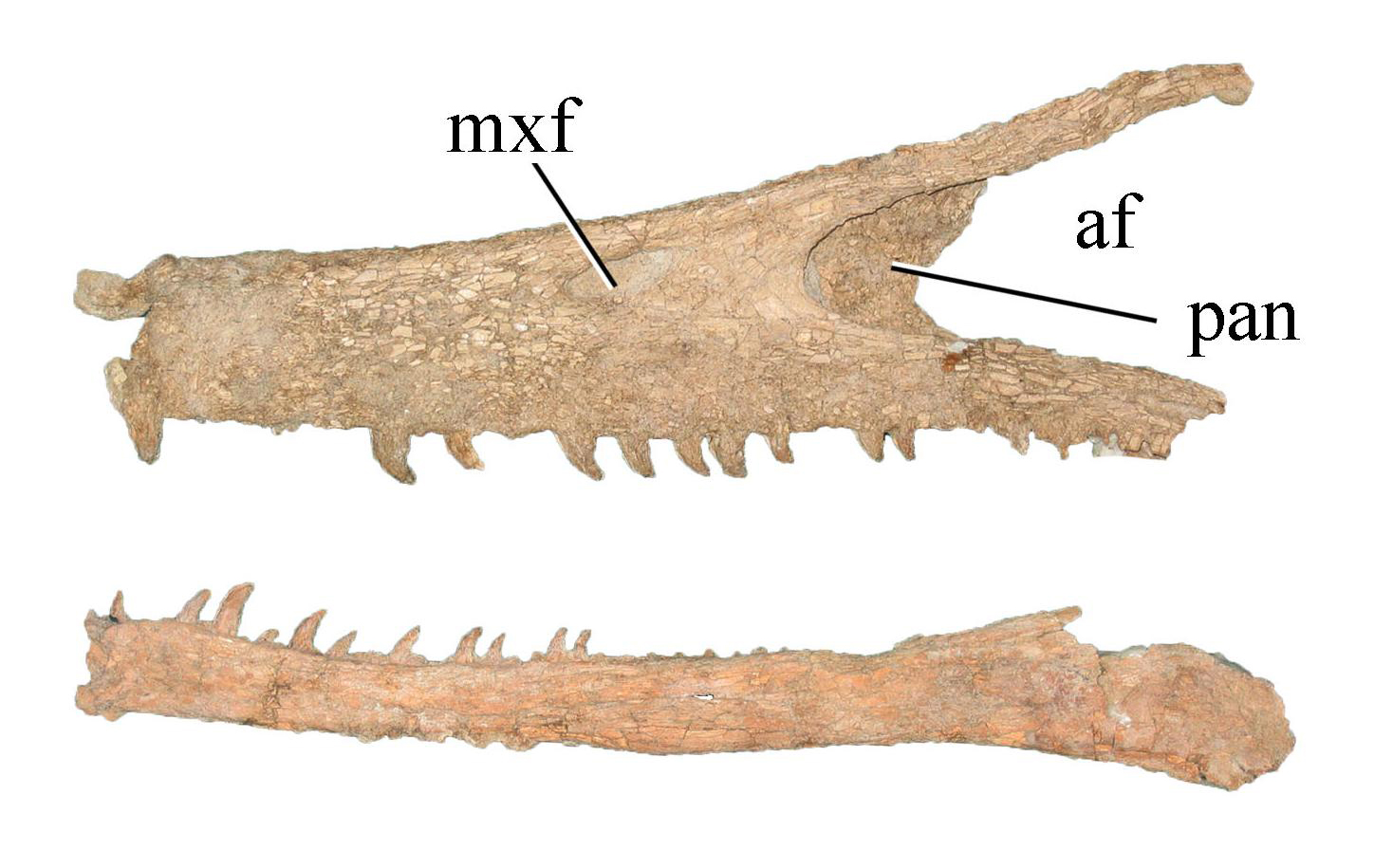
The heron comparison comes from anatomy, not fantasy. The reported fossil material points to a relatively long and flexible neck, lightly built features and a skull-and-jaw pattern that researchers compare with other unenlagiids adapted for quick strikes. In living herons, the neck works like a spring-loaded spear: the bird waits, watches the water surface and snaps forward at fish or small vertebrates. No fossil can replay a hunt, but body proportions can narrow the range of plausible behaviours. For *Kank*, the working idea is that it may have patrolled wet margins, snapping at fish, amphibians or small animals rather than relying only on pursuit across dry ground.
The discovery also sharpens a larger scientific point. Late Cretaceous Patagonia was not a blank southern outpost waiting for the asteroid impact to end the dinosaur story. It was a living ecosystem with local lineages, coastal and floodplain influences, and predators of different sizes dividing the work of finding food. A medium-sized unenlagiid that possibly hunted around shallow water would have occupied a different niche from giant meat-eaters or small terrestrial hunters. That kind of ecological partitioning is one reason paleontologists care about fragmentary animals: a few vertebrae, limb bones and jaw pieces can add another layer to the map of who ate what, where and how.

There are careful limits. The name *Kank australis* is new, and the animal is known from incomplete remains, so the heron-like hunting model should be read as a hypothesis supported by comparative anatomy, not as a filmed fact. Soft tissues, exact feathering, colour and day-to-day behaviour remain unknown. Even diet is inferred from shape, relatives and habitat rather than stomach contents. That uncertainty is not a weakness of the story; it is the scientific value of the find. Each new bone can test whether the “wading raptor” idea survives or needs revision.
The hopeful part is therefore modest and real. *Kank* makes the dinosaur world stranger in a useful way. It reminds us that evolution rarely repeats one design across a whole planet, and that southern continents held their own experiments in movement, feeding and survival. If future fieldwork in the Chorrillo Formation recovers more of the skull, feet or tail, paleontologists may be able to ask sharper questions about balance, strike speed and habitat. For now, this Patagonian raptor gives readers a clearer image of prehistory: not just teeth in pursuit, but a patient hunter at the water’s edge, preserved as a question in stone.