Taiwan’s Sesame-Speckled Sea Slug Shows How Much Life Still Fits in Three Millimetres
Thecacera sesama, described from northeastern Taiwan with morphology and mitochondrial DNA, is a tiny nudibranch whose bryozoan feeding context matters as much as its memorable spots.
Mira Vale ·
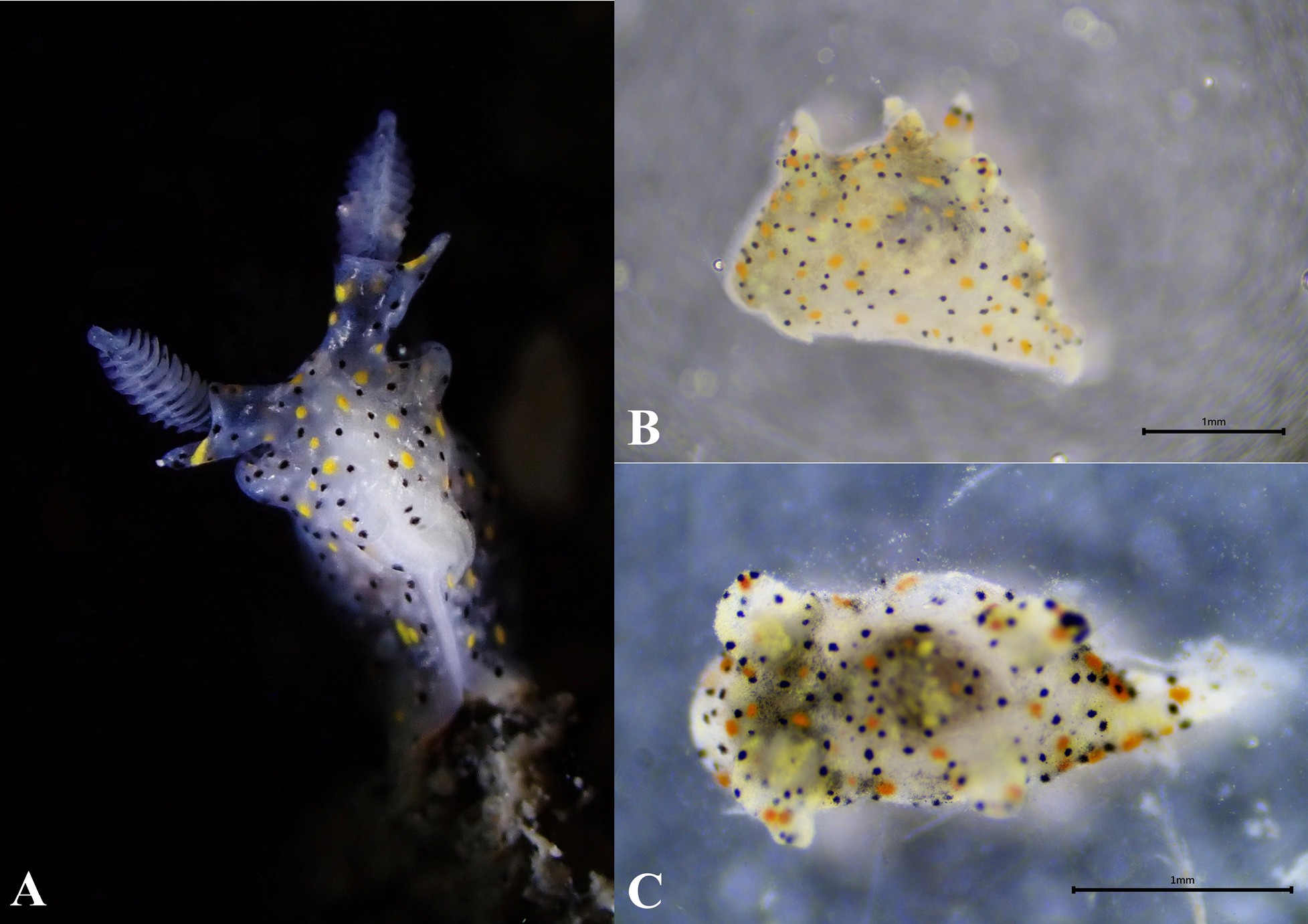
The new sea slug from Taiwan is small enough to make the name feel literal. Thecacera sesama is about three millimetres long, with a translucent white body scattered with dark spots and fewer yellow spots that reminded its describers of sesame seeds. Ho-Yeung Chan first noticed the animal during a recreational dive near Keelung in northern Taiwan in 2019; the formal description later drew on six specimens collected between 2021 and 2024 and published in ZooKeys by Chan and Chia-Ling Lee.
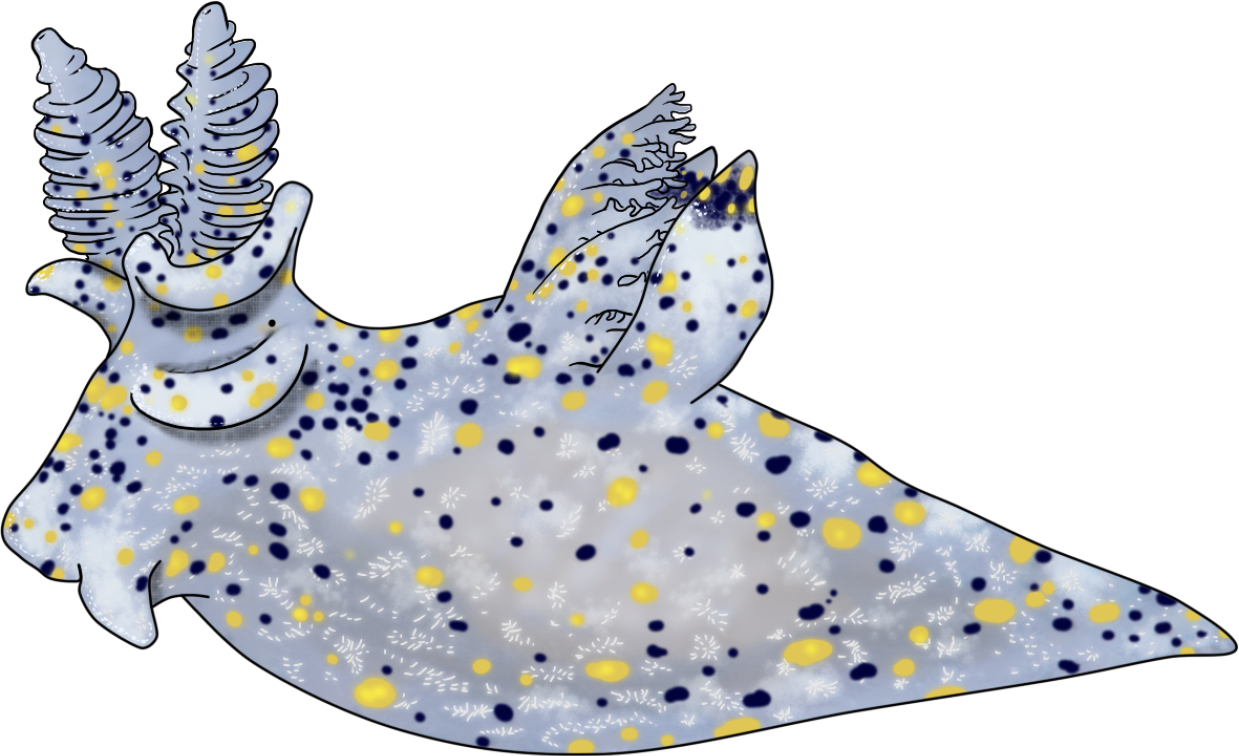
The mechanism of discovery was integrative taxonomy, not just a pretty photograph. The researchers compared the slug’s external anatomy, including the arrangement of rhinophoral sheaths, extra-rhinophoral appendages, gills and post-branchial appendages. They also analysed mitochondrial 16S rRNA and cytochrome c oxidase I gene sequences to test where the animal sat among related polycerid nudibranchs. That combination matters because sea slugs can be tiny, variable and deceptively similar in colour.
The habitat clue is equally important. The specimens came from northeastern Taiwan, and the paper shows Thecacera sesama feeding on bryozoans, small colonial animals that often form crusts or branching growth on submerged surfaces. For a nudibranch, food associations can be part of the ecological fingerprint. The slug is not merely a dot on a reef; it is a predator in a miniature community where body size, colour pattern and diet are all connected.
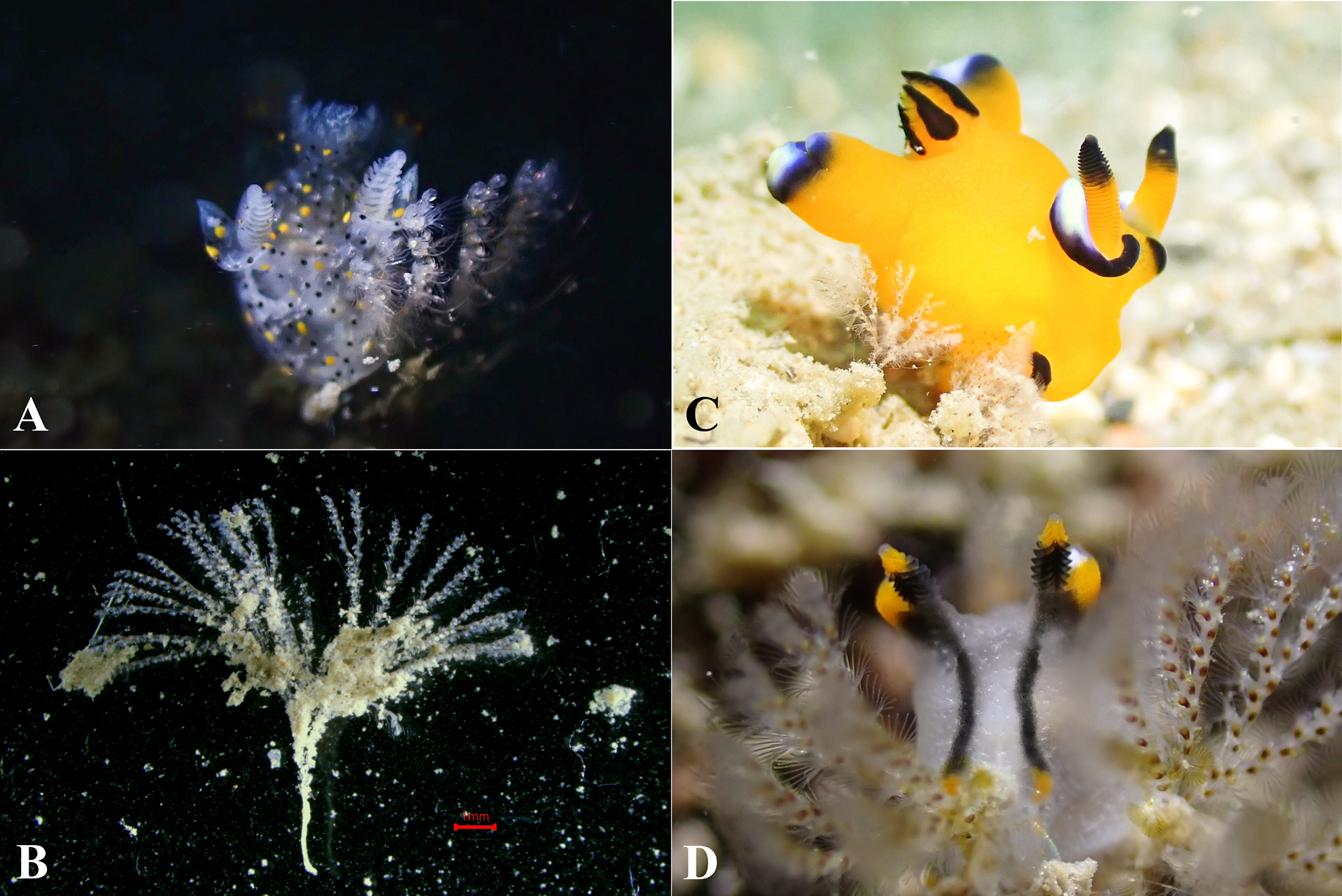
The “first of its genus named in 30 years” line should be read carefully. It means the formal taxonomy of Thecacera has gained a newly described species after a long pause, not that the ocean stopped producing diversity for three decades. Nudibranch diversity is often hidden by size, short adult lives, seasonal appearance and the simple fact that few people look closely at the right time and place.
The study also has limits. Six specimens are enough for a taxonomic description when morphology and DNA agree, but they do not reveal population size, full range, seasonal abundance or conservation status. The name does not prove that the species is common, rare or threatened. It tells us that a distinct lineage has been recognized and given a scientific handle so future divers and researchers can notice it more reliably.
That handle is especially useful in a region where reefs, breakwaters and small benthic communities can be surveyed repeatedly. Once a species has a description, photographs, collection numbers and DNA sequences, later observations can be compared instead of being left as “an interesting spotted nudibranch.” Taxonomy turns scattered sightings into a cumulative record and gives museum collections, citizen divers, local naturalists, coastal educators, reef monitors, students and molecular databases a common name to meet around.
That is the quiet value of the sesame slug. A three-millimetre animal can enlarge the map of life because taxonomy turns a fleeting dive observation into shared evidence. The next step is not a grand claim about the sea, but patient attention: more surveys around Taiwan, better bryozoan records, and careful photographs from divers who now know what a speckled Thecacera sesama looks like.