Thecacera sesama: Taiwan’s sesame-sized sea slug gets a careful name
The tiny nudibranch Thecacera sesama was described from Taiwan with body anatomy and DNA, showing why even sesame-sized coastal animals need exact taxonomy rather than cute headlines.
Hana Meridian ·
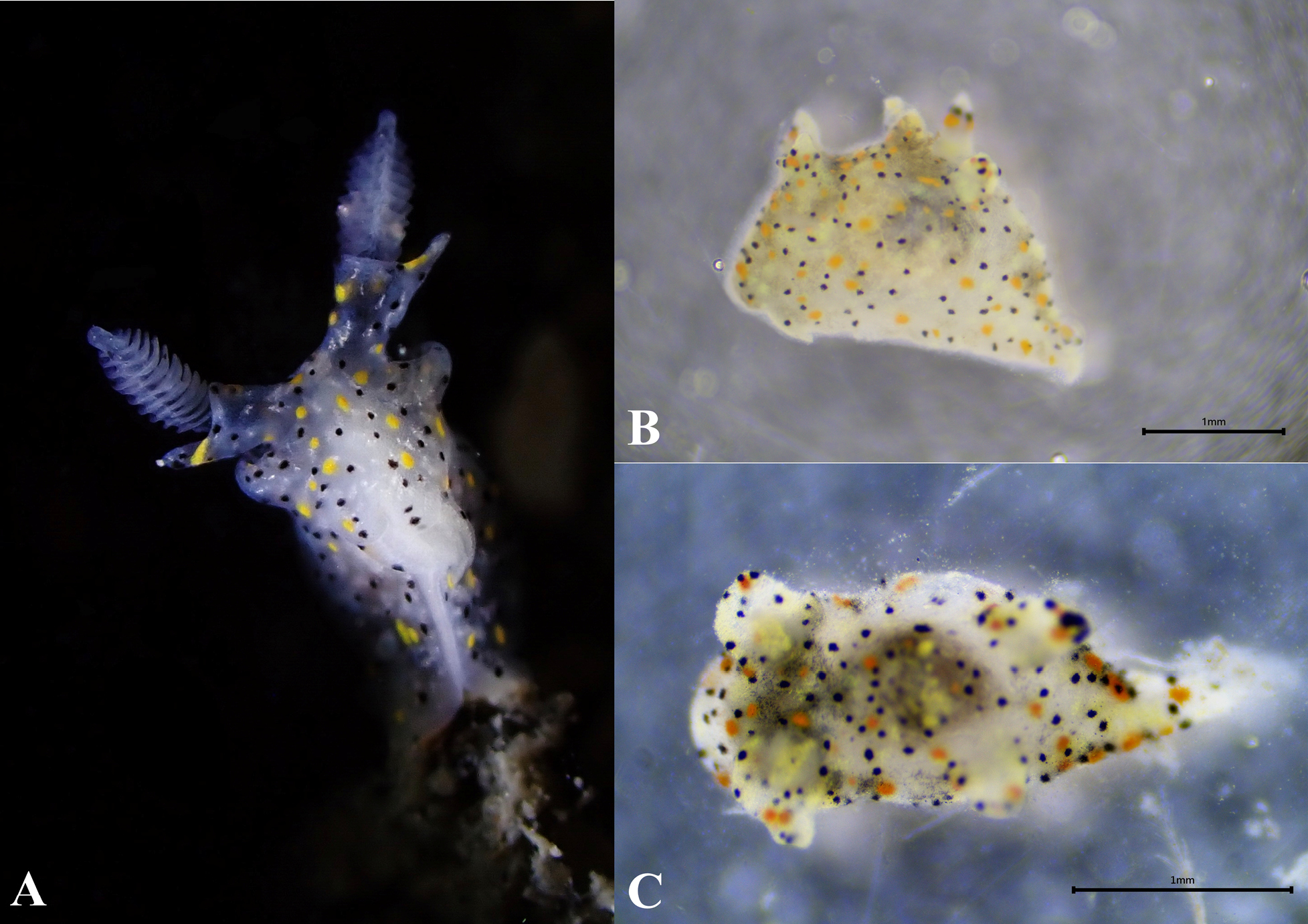
The sea slug in this story is tiny enough to make the name feel inevitable. Thecacera sesama is a black-and-yellow nudibranch from Taiwan whose sesame-like look became part of its scientific identity. But the important news is not that a small animal is cute. The 2026 ZooKeys description turned a coastal observation into a formal species by combining external anatomy with DNA evidence, including mitochondrial 16S rDNA and cytochrome c oxidase I, the COI gene widely used in animal barcoding.
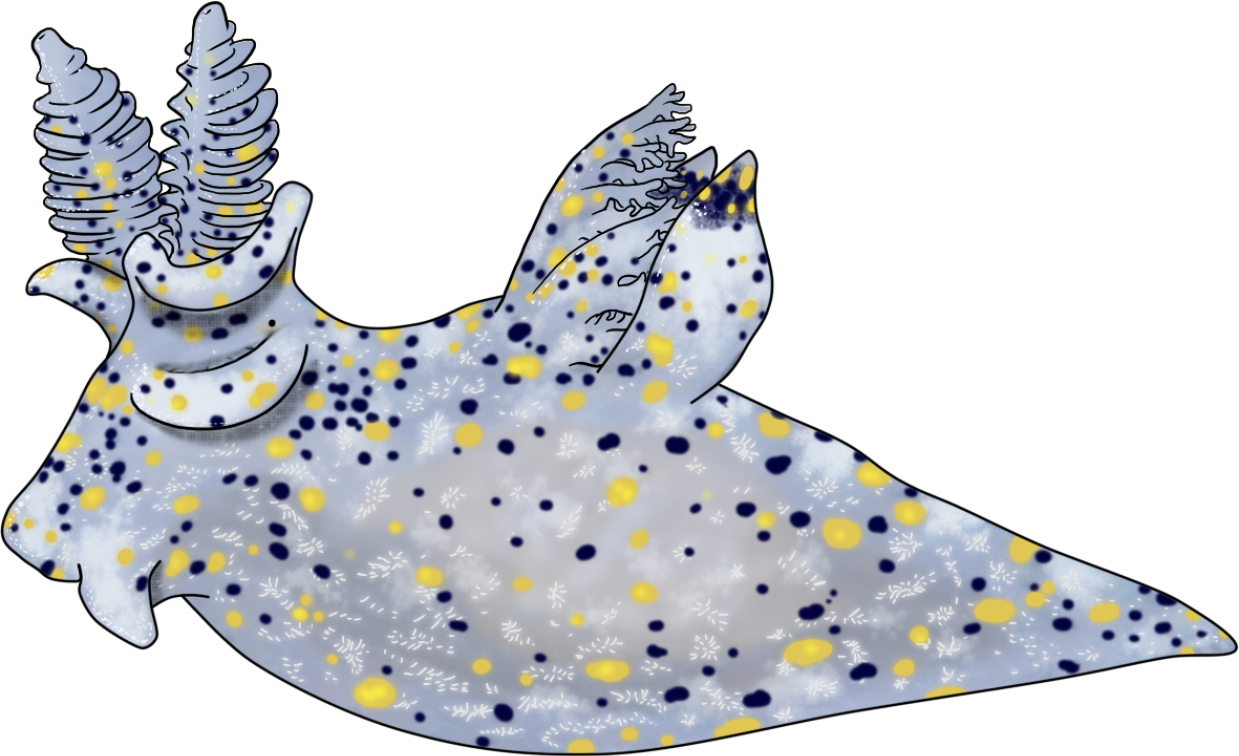
Nudibranchs are sea slugs whose biology is displayed on the outside: exposed gills, sensory rhinophores, small body processes and colours that can warn, camouflage or simply mark a lineage. Thecacera belongs to Polyceridae, a family of dorid nudibranchs, and the paper places T. sesama in Taiwanese coastal waters where the animals were photographed on or near bryozoans. That detail matters because bryozoans are not scenery. They are colonial filter-feeding animals that often provide both food and a microhabitat for small nudibranchs.
The mechanism of discovery is taxonomy. Researchers did not rely on a single attractive photograph or a nickname from divers. They compared the animal’s size, colour pattern, appendages, gill arrangement and other diagnostic traits with related Thecacera species. Then they checked genetic sequences to see whether the same animal also separated at the molecular level. Morphology matters because a DNA barcode alone is not a whole organism. DNA matters because tiny sea slugs can resemble one another, especially when they live on similar food.
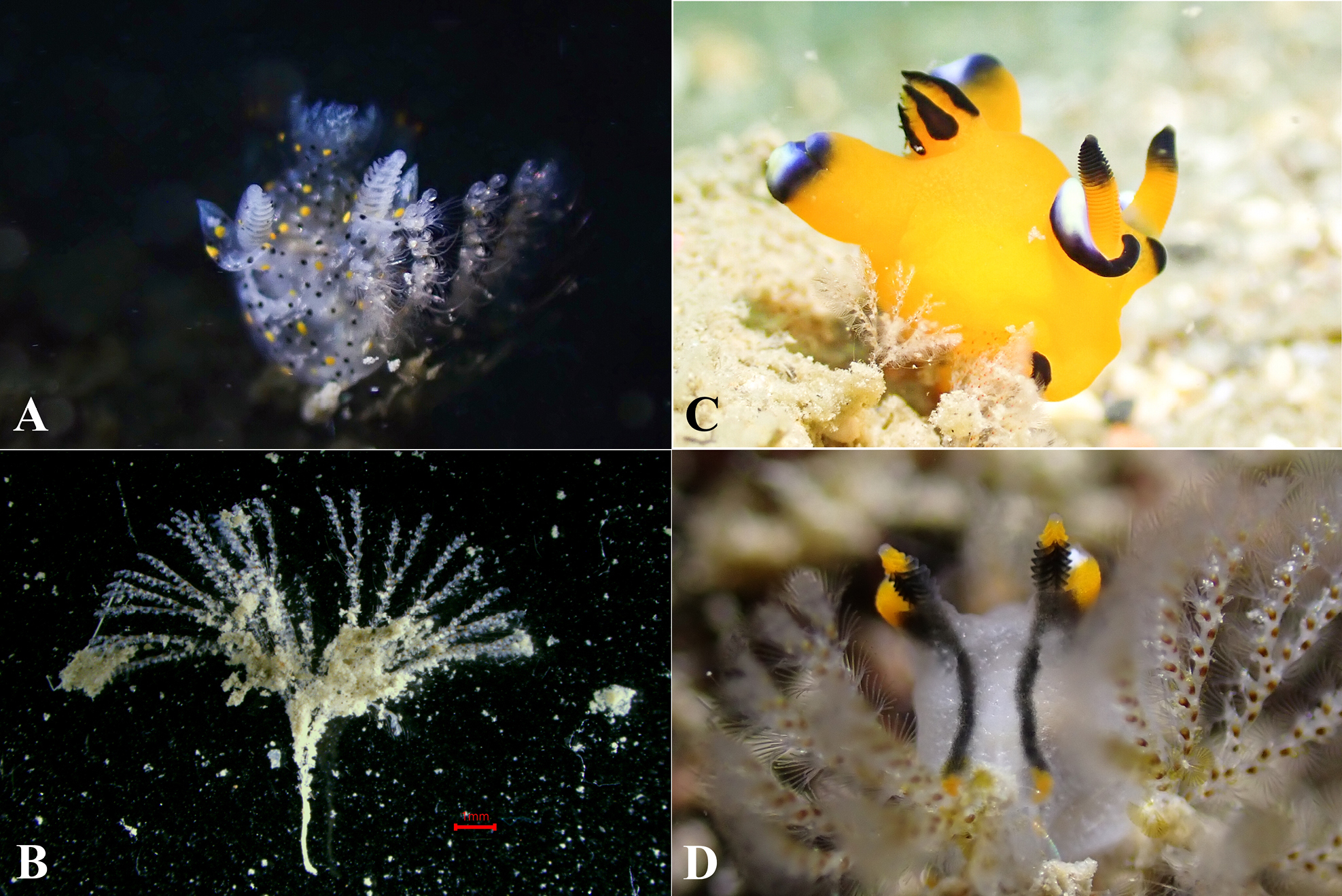
The limits are just as important as the name. A species description does not prove that T. sesama is abundant, rare, threatened or restricted to a single tiny patch of sea. It records the evidence available from collected or photographed individuals and makes a comparison that other specialists can test. Future surveys may find the species elsewhere around Taiwan or in neighbouring waters, or they may show that it is tied to a narrower bryozoan community than the first records can prove.
That is why exact images are essential. A photograph of another “Pikachu” nudibranch would be charming but misleading if the reader takes it as the new species. The figures here show the actual ZooKeys material and the ecological context used by the authors. For a sesame-sized animal, the difference between an exact figure and a lookalike is the difference between education and decoration.
Naming Thecacera sesama gives the animal a durable handle. Divers, museum workers and taxonomists can now search for it, compare it, add observations and ask whether coastal change affects the bryozoan patches where it lives. It also gives conservation conversations a firmer vocabulary. Coastal biodiversity is often measured through larger animals, reefs or fisheries, but a named nudibranch can mark the health of small sessile communities that otherwise disappear into a blur of “marine life.” If repeated records show the same slug returning to the same bryozoan hosts, managers gain a modest but real signpost for local change.
The discovery is hopeful in a precise way: not because the ocean is endlessly mysterious, but because careful naming still turns overlooked life into knowledge that can be checked, shared and protected.