Tiny Root Microbes May Help Crops Cope With Salty Farmland by Strengthening Their Roots
University of East Anglia–linked research suggests salt-stressed crops can recruit beneficial bacteria that stimulate lignin in roots, improving resilience in maize, tomato and rapeseed tests without pretending salinity is solved.
Noah Circuit ·
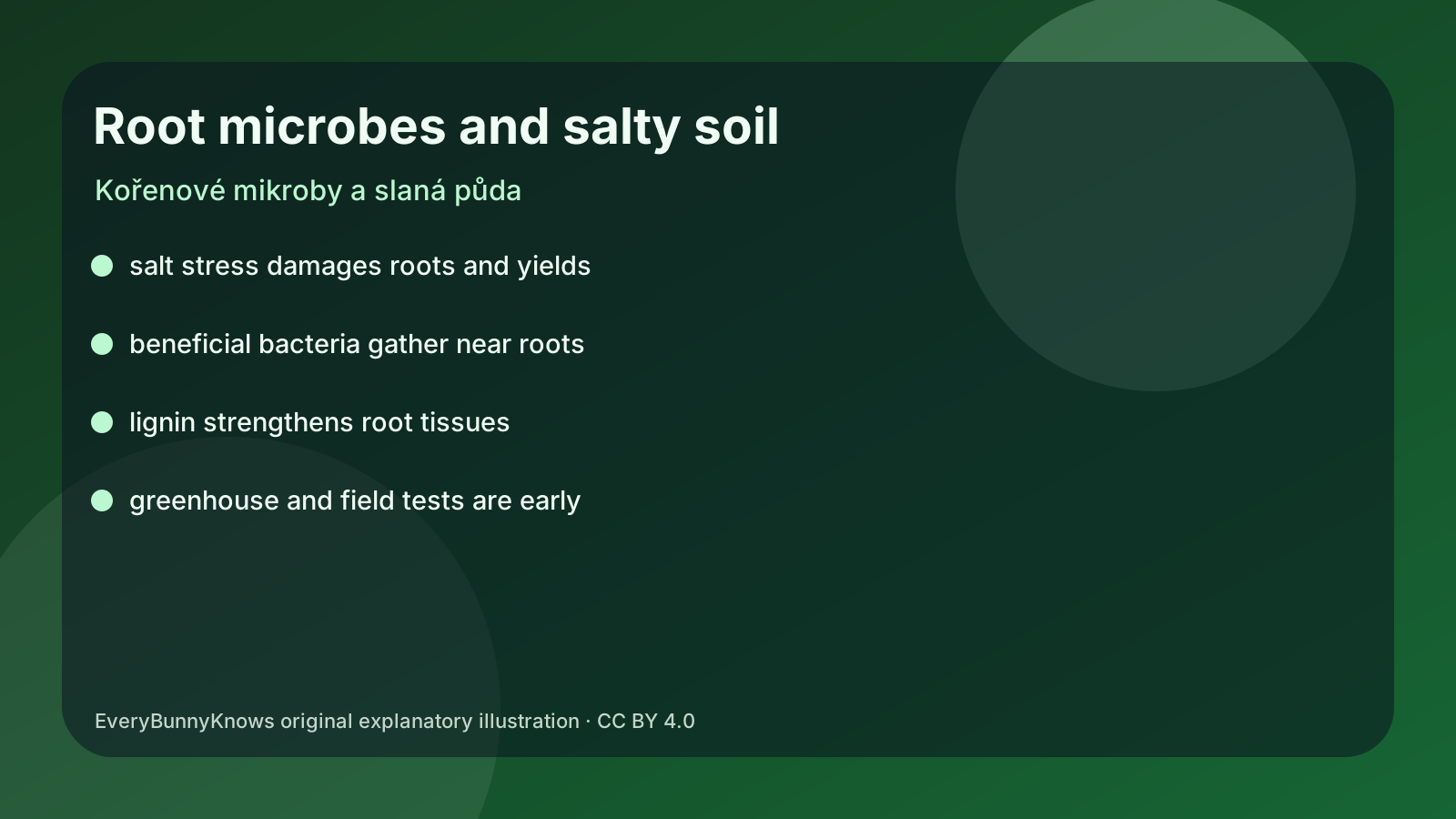
Salty farmland is a slow-moving problem with very practical consequences. Irrigation, drought, rising seas and poor drainage can leave salts behind in soil, making it harder for crops to take up water and damaging roots. A research team including University of East Anglia and Chinese collaborators, led by Dr Yanfen Zheng and discussed by Professor Jonathan Todd, reports a more subtle ally: naturally occurring soil bacteria in the root microbiome that help plants tolerate salt stress. In tests with maize, tomato and rapeseed, the helpful effect was linked to stronger roots rather than a simple salt shield.
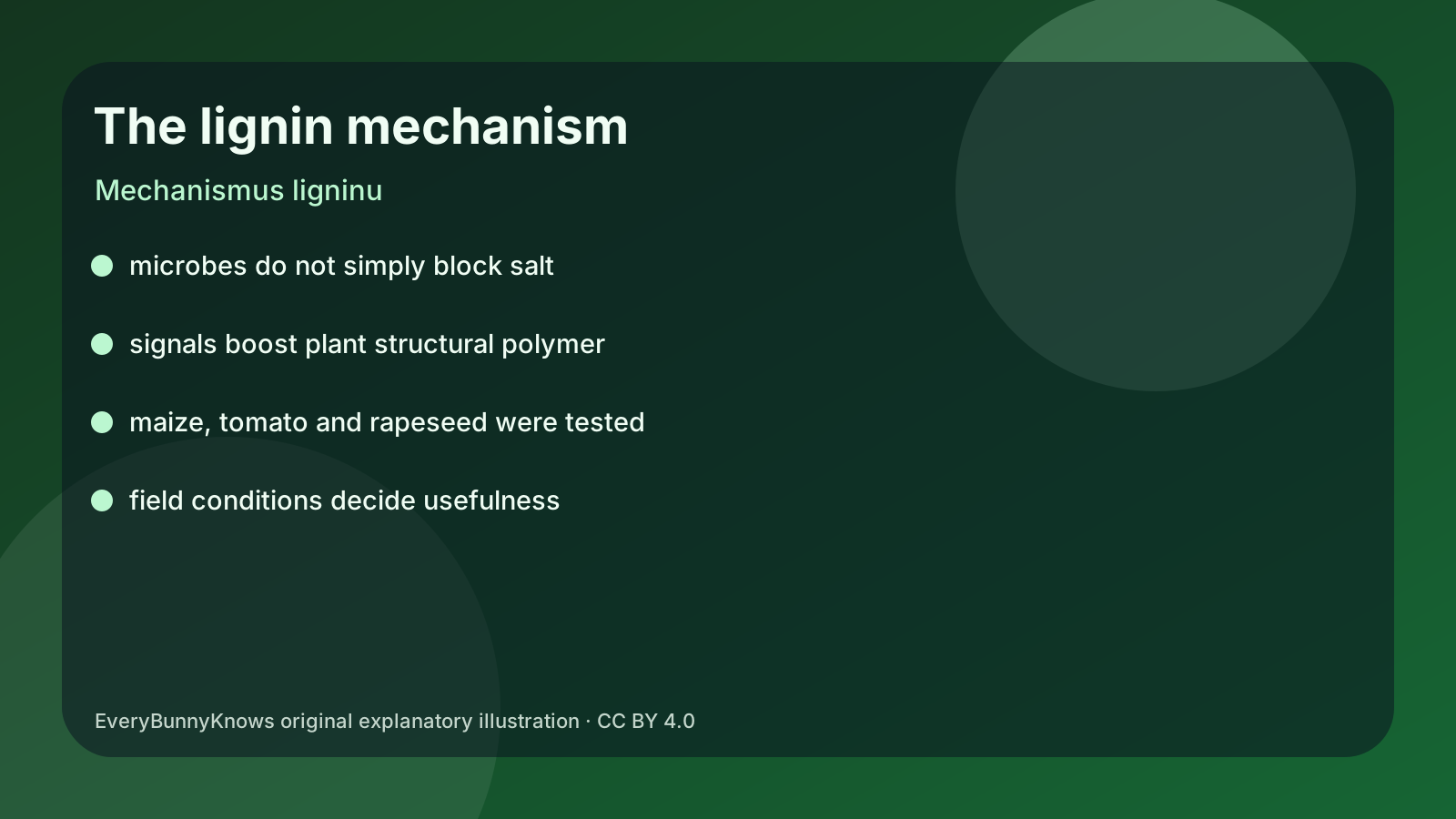
The mechanism is the important part. Plants under salt stress appear to recruit or favor certain beneficial bacteria around their roots. Those microbes then stimulate the plant to produce more lignin, a tough structural compound also familiar from wood. Extra lignin can reinforce cell walls and root tissues, helping plants keep growing when salt would otherwise weaken them. That is different from the common idea that microbes simply keep salt away; here the plant’s own structure is changed.
The study matters because the root microbiome is not one organism but a shifting community. Soil type, crop species, moisture, fertiliser, previous land use and climate can all influence which bacteria are present and whether they act consistently. Showing a similar protective pattern in several crops, and in greenhouse as well as field tests, makes the result more promising than a single-pot experiment.
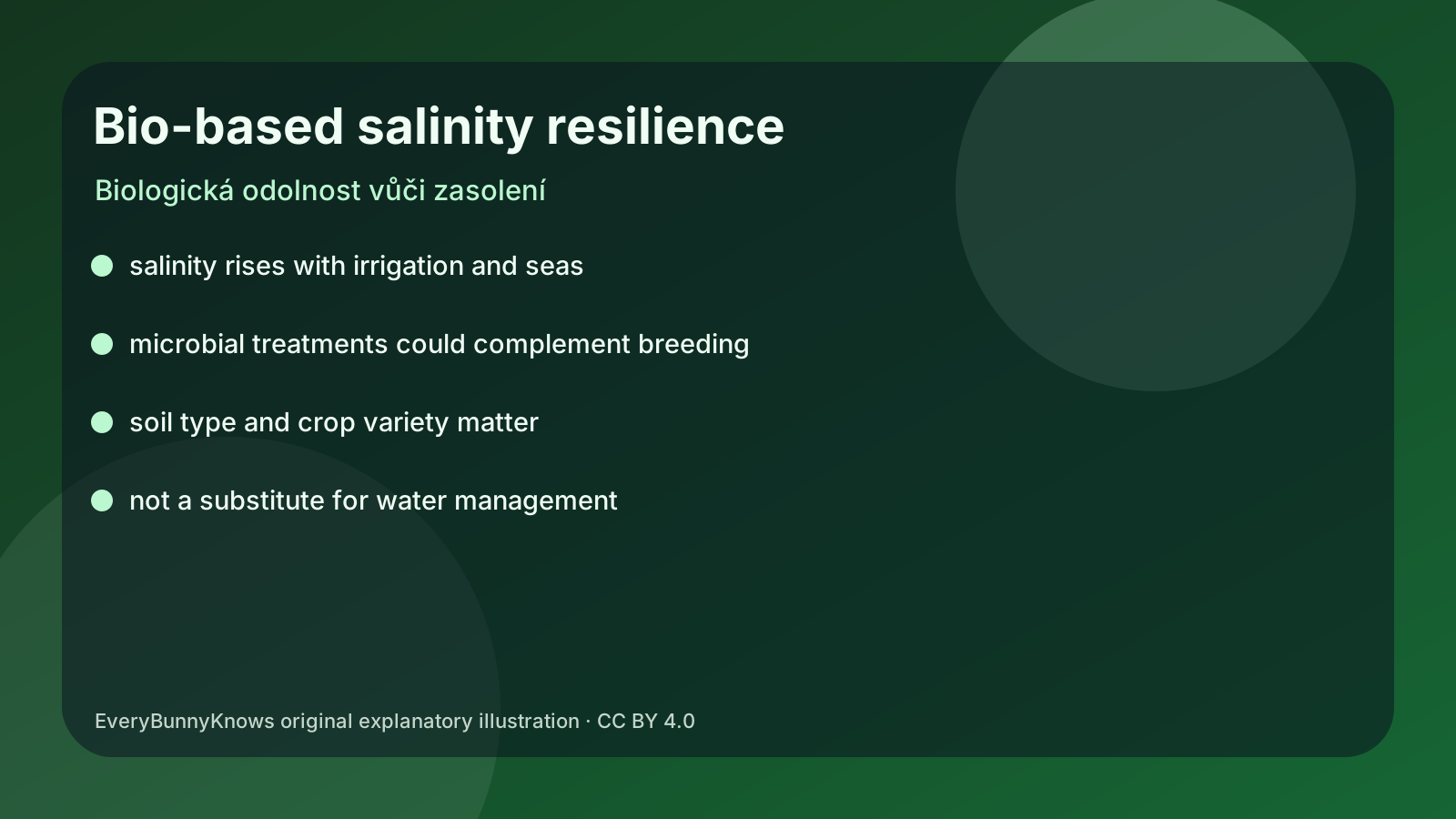
The potential application is a bio-based treatment: seed coatings, soil inoculants or management practices that encourage the right bacteria near roots. If developed responsibly, such tools could help farmers keep yield on land that is becoming marginal because of salinity. They may be especially valuable where expensive engineering fixes are unrealistic and where food security depends on using stressed land more carefully.
The limits should prevent hype. A greenhouse and field-tested mechanism is not the same as a finished product for every farm. Microbes can fail to establish, behave differently in another soil, or interact with local varieties in unexpected ways. Salinity itself varies by salt chemistry, depth and season. Farmers would still need drainage, better irrigation, salt-tolerant breeding, soil monitoring and economic support.
There are ecological cautions too. Introducing microbes at scale must be tested for persistence, non-target effects and whether native microbial communities are disrupted. The safest future may involve identifying bacteria already present in local soils and learning how to encourage them, not shipping one universal inoculant everywhere.
The hopeful conclusion is measured. The discovery does not make salty farmland harmless, but it adds a biological lever to a hard physical problem. If roots can be helped to build stronger tissues with partners they already know, crop resilience may come from managing the living soil as carefully as the water that flows through it.
One further point keeps the story practical: a conservation result is not made by one image or one measurement alone. It needs repeated monitoring, local context, management cooperation and a clear account of what remains uncertain. That combination is what turns an interesting finding into evidence people can use for the next decision and keeps a specific study from becoming a vague nature fable.