In pediatric septic shock, two common IV fluids performed similarly in a pragmatic trial
A five-country randomized study in 47 pediatric emergency departments found no clear clinical advantage for balanced crystalloid over normal saline during early septic-shock resuscitation. The result supports careful local protocols, not bedside improvisation.
Matyáš Král ·
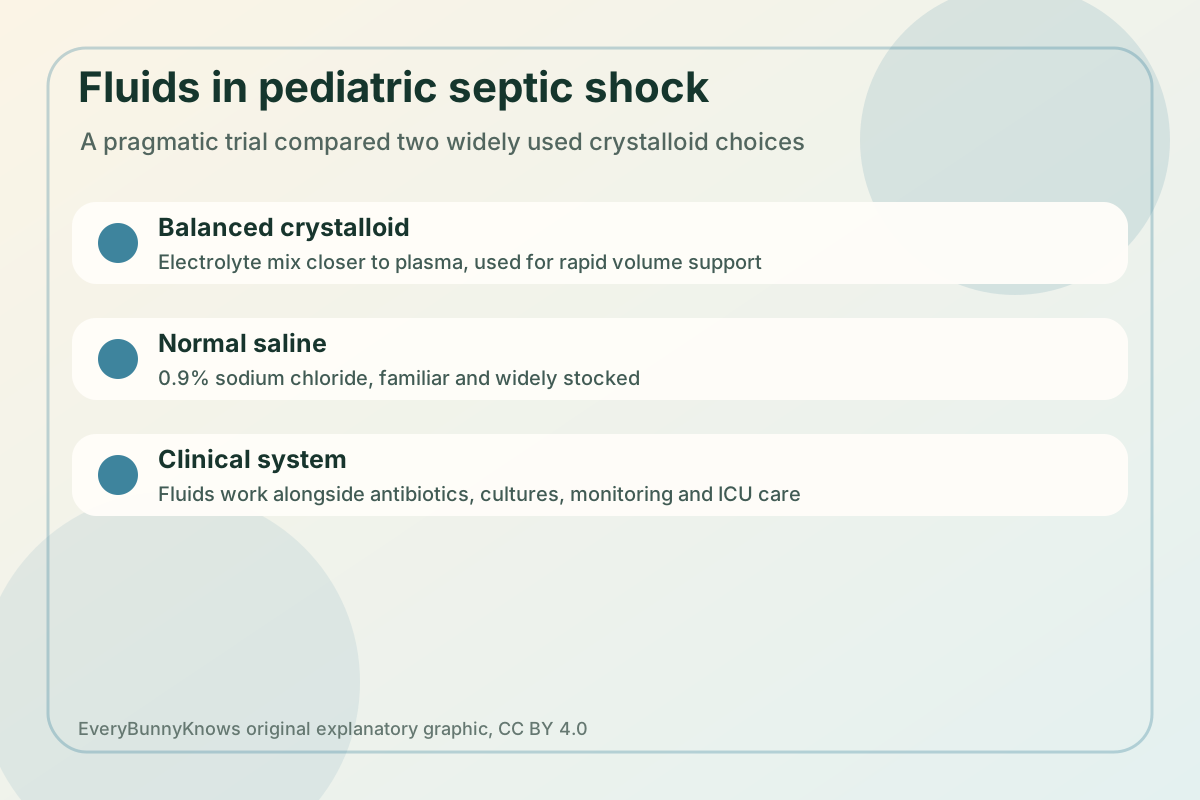
When a child arrives in an emergency department with septic shock, the first minutes are practical and tense. Clinicians need to restore circulation, give antimicrobials, look for the infection source and watch the lungs, kidneys and blood pressure at the same time. One visible part of that response is the IV fluid bag. A large 2026 pragmatic pediatric trial asked a deceptively simple question: during early resuscitation, does a balanced crystalloid solution lead to better outcomes than normal saline?
The finding is useful precisely because it is modest. In the Pragmatic Pediatric Trial of Balanced Versus Normal Saline Fluid in Sepsis, children were randomized across 47 pediatric emergency departments in five countries. The comparison was between two fluids already familiar to hospitals: normal saline, a 0.9 percent sodium chloride solution, and balanced crystalloids, which contain electrolyte mixtures designed to resemble plasma more closely. The study and related kidney-biomarker work grew out of concern that chloride-rich saline might affect acid-base balance or kidney stress, while balanced fluids might avoid some of those effects.
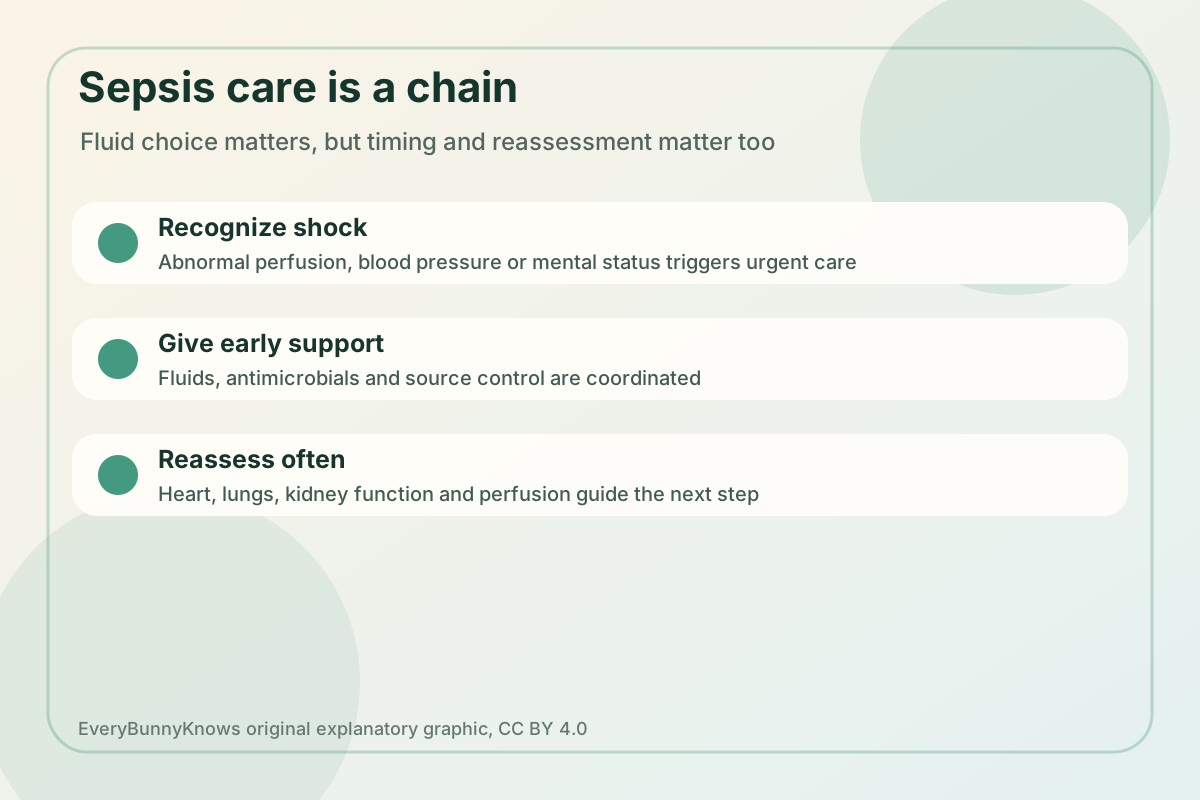
The mechanism is about circulation, chemistry and time. In septic shock, infection and inflammation can make blood vessels leaky and poorly toned, so the bloodstream may not deliver oxygen effectively. Crystalloid fluid can increase circulating volume, but too little support leaves organs underperfused and too much fluid can worsen swelling or lung strain. Balanced fluids differ from saline in chloride concentration and buffering ions; in theory, that could influence acidosis, kidney blood flow or inflammatory stress. The trial tested whether those biochemical differences translated into a clinically important advantage in real emergency departments.
The reported answer was reassuring rather than dramatic: the two common IV fluids performed similarly for treating pediatric septic shock. That does not mean fluid choice is irrelevant, and it does not mean every child should receive the same volume or same sequence of treatments. It means that, within the protocols and settings studied, clinicians did not see a decisive outcome gap large enough to make one of these widely available crystalloid choices clearly superior. For health systems, that matters because supplies, cost, training and protocol consistency can influence care during a rare but high-risk emergency.
A negative or neutral trial can still improve medicine. Pediatric septic shock is uncommon compared with adult sepsis, so individual hospitals may see too few cases to learn confidently from their own experience. A pragmatic multi-site design helps answer the question in the messy conditions where care actually happens: different teams, different supplies, and children arriving at different stages of illness. That kind of evidence can prevent unnecessary switching, reduce arguments over a single bag choice and keep attention on the interventions most likely to change survival.
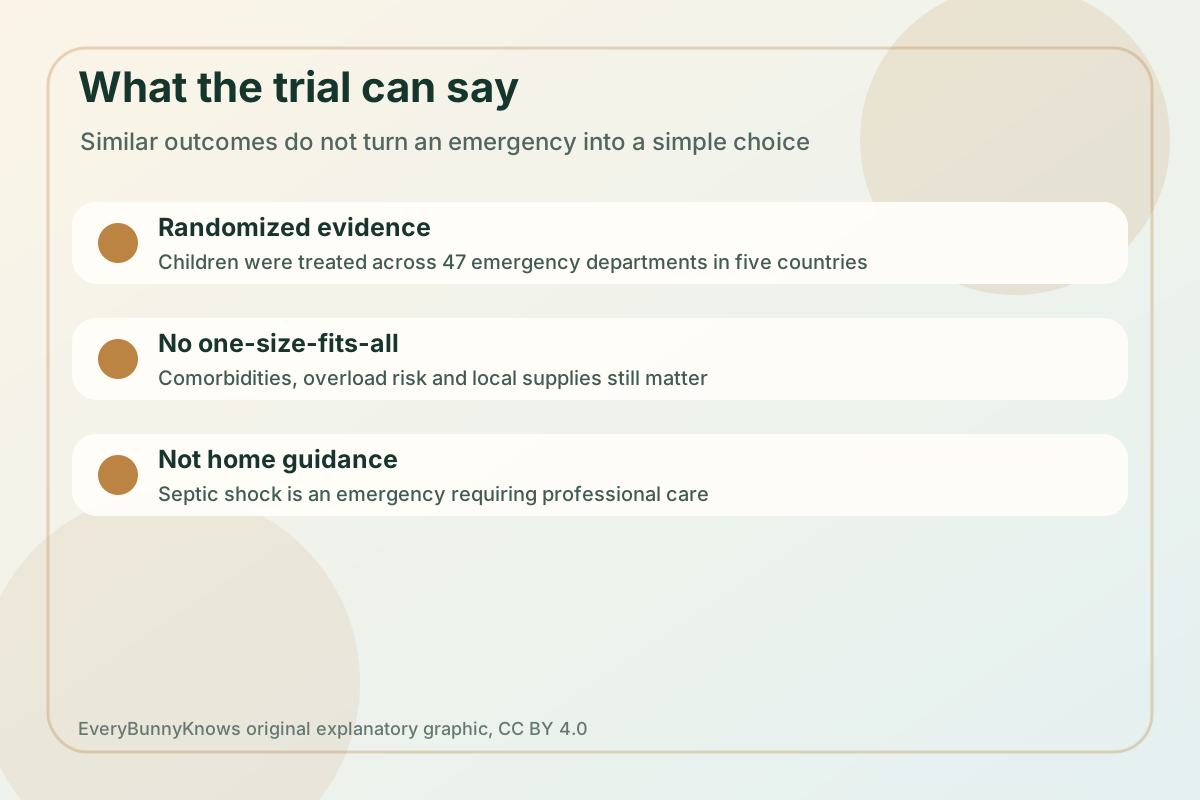
The limits are essential. This was a pediatric emergency and hospital-care question, not advice for families and not a substitute for sepsis recognition and urgent treatment. Trial results apply to the enrolled children, participating sites and early resuscitation context; they cannot settle every question about newborns, children with complex heart or kidney disease, later intensive-care fluid management, or settings with different resources. The lesson is calm and practical: when two common tools perform similarly, hospitals can focus even harder on the full chain of septic-shock care—fast recognition, early antibiotics, careful dosing, repeated reassessment and teams trained to notice when a child is improving or deteriorating.