Vitamins and the Human Body: What Small Nutrients Actually Do
Vitamins are needed in tiny amounts, but their roles are specific: vision, blood clotting, nerve function, collagen chemistry and energy metabolism.
Marco Linden ·

Vitamins are easy to oversell because they sound both natural and scientific. A calmer view is more useful. They are essential organic compounds that the body needs in small amounts and usually cannot make in sufficient quantity. Their importance is real, but it is specific: each vitamin has jobs, deficiency signs, food sources and safety limits. The best story is not a miracle cabinet, but a map of ordinary metabolism. Nutrition science usually divides vitamins into fat-soluble A, D, E and K and water-soluble vitamin C plus the B-vitamin family. Fat-soluble vitamins can be stored in body fat and the liver, which makes deficiency slower in some cases but also raises the possibility of toxicity. Water-soluble vitamins are generally less stored, though vitamin B12 is an important exception. B vitamins often work as coenzymes, helping enzymes move carbon units, electrons and chemical groups during energy metabolism, DNA synthesis and nerve function. Thiamin, riboflavin, niacin, folate and B12 are not interchangeable; a varied diet matters because the body uses them in different reactions. Vitamin C supports collagen formation, antioxidant defense and iron absorption from plant foods. Severe deficiency causes scurvy, a disease of bleeding gums, poor wound healing and fragile connective tissue. The history of scurvy is a reminder that vitamin knowledge came from sailors, clinicians and public-health observation, not from marketing. Vitamin D is unusual because the body can make it in skin exposed to ultraviolet B light. It helps regulate calcium and phosphorus and supports bone health. Sunlight, latitude, season, skin pigmentation, clothing, age and diet all influence status, which is why blanket advice can be misleading. The supplement question depends on need. Folic acid before and during early pregnancy prevents many neural-tube defects; B12 supplementation matters for many vegans and some older adults; vitamin D may be needed where deficiency risk is high. But high-dose supplements without a reason can waste money or cause harm. Food patterns, diagnosis and medical advice come first.
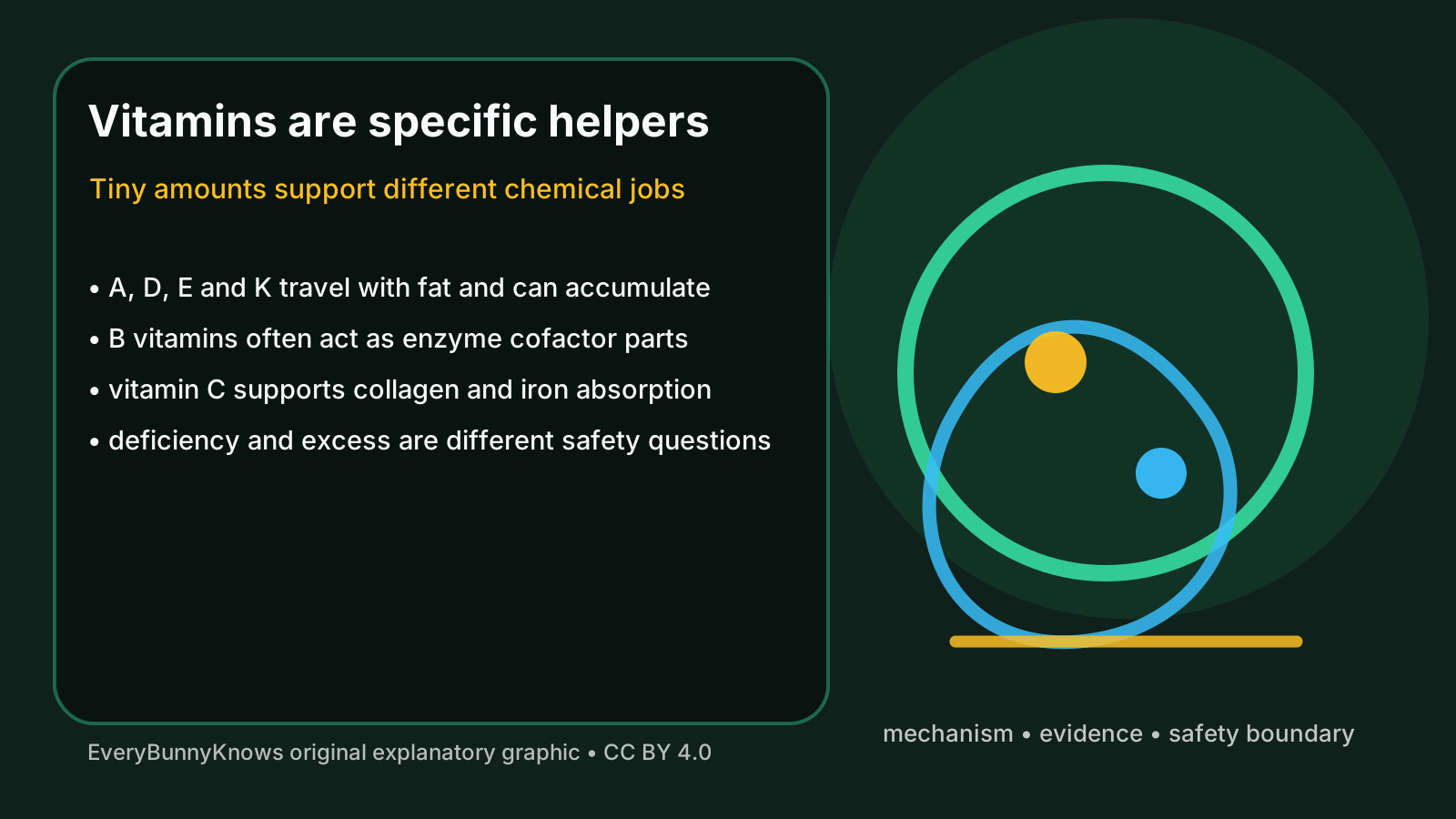
The mechanism is biochemical assistance. Vitamin A helps retinal molecules in the eye change shape when light arrives. Vitamin K allows the liver to activate clotting proteins. Folate and vitamin B12 support DNA synthesis and red blood cell formation, which is why deficiency can cause anaemia or neurological symptoms. Vitamin C is needed to hydroxylate collagen; without enough of it, gums, skin and blood vessels weaken, the old disease known as scurvy.
Numbers matter because vitamins are not one substance. The U.S. National Institutes of Health lists adult recommendations that range from micrograms, such as 2.4 micrograms of vitamin B12, to milligrams, such as 75 to 90 milligrams of vitamin C for many adults. The World Health Organization has used vitamin A supplementation in regions where deficiency raises child mortality, while iodized salt and folic-acid fortification show how public health can prevent disease quietly at population scale.
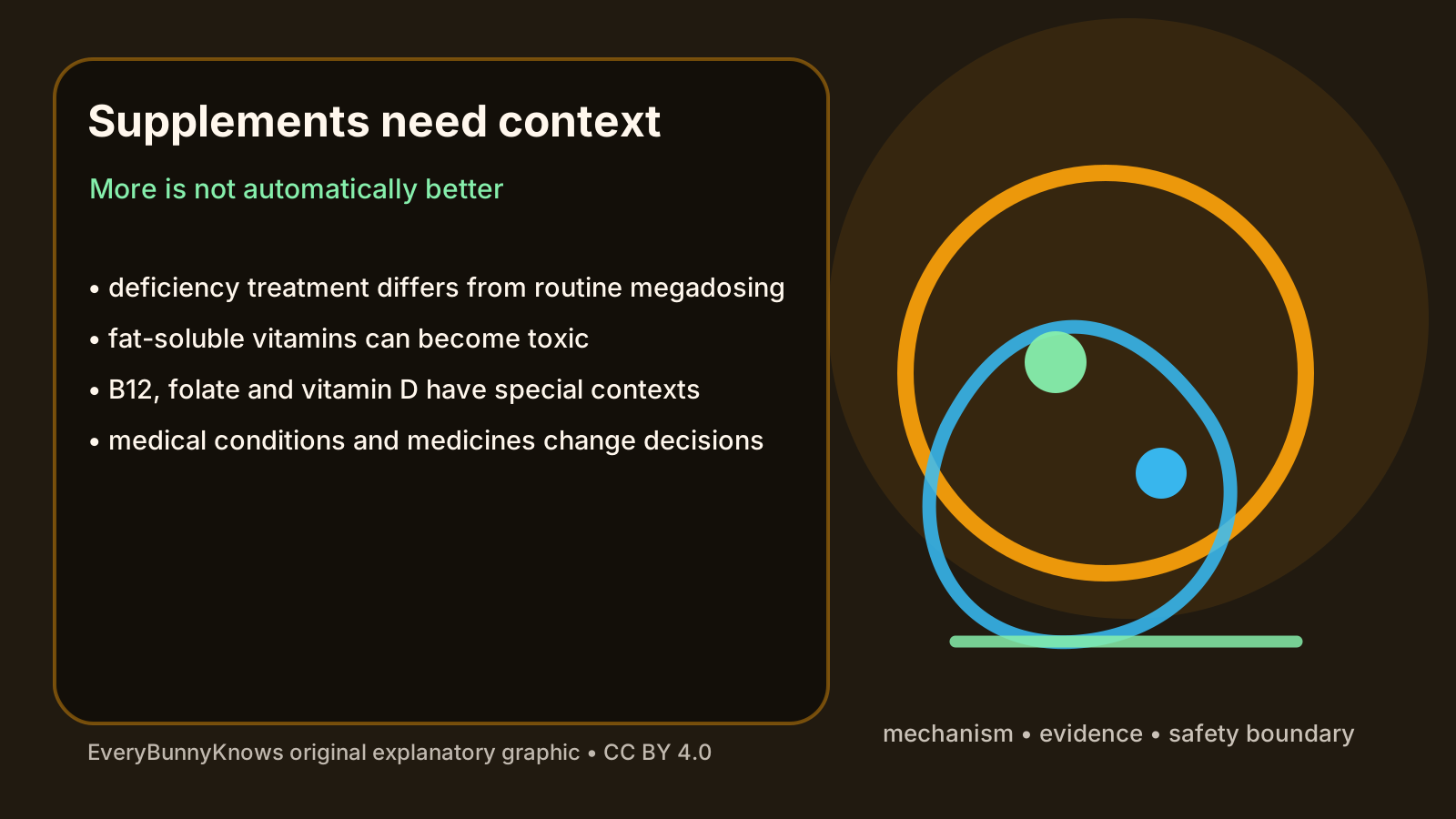
The limits are medical, not moral. More is not automatically better: high doses of vitamin A can be toxic, vitamin K can interfere with warfarin management, and supplements cannot replace diagnosis when fatigue, hair loss or numbness has many possible causes. Harvard T.H. Chan School of Public Health, the European Food Safety Authority and national dietitians all make the same basic point: food patterns, access and measured deficiency matter more than chasing a perfect pill cabinet.