When to visit Madagascar: seasons, regions and wildlife rhythms
Madagascar’s travel calendar is a geography lesson: dry highland roads, wet eastern forests, cyclone risk, humpback whale migration and lemur breeding seasons do not arrive everywhere at the same time.
Hana Meridian ·
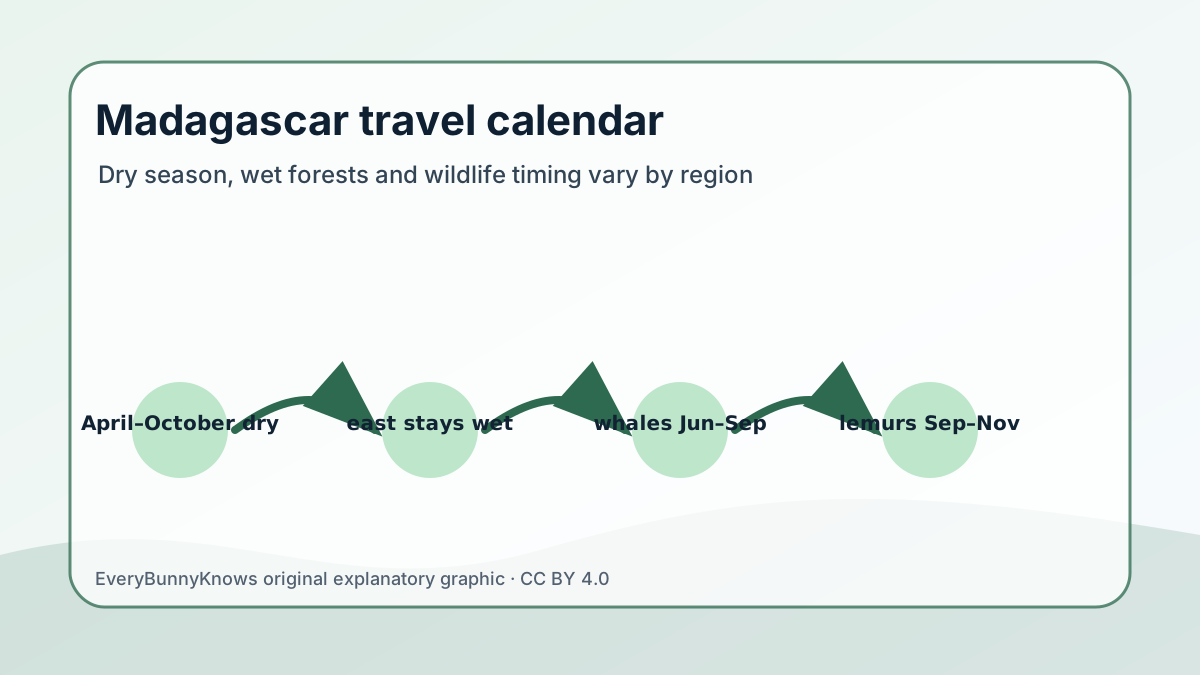
Madagascar looks simple on a small map: one great island east of Africa, stretched north to south in the Indian Ocean. For travellers, conservation workers and anyone trying to understand the island’s nature, the calendar is less simple. The best time to visit depends on altitude, coast, road conditions and wildlife rhythms. “Dry season” is a useful starting point, not a complete plan.
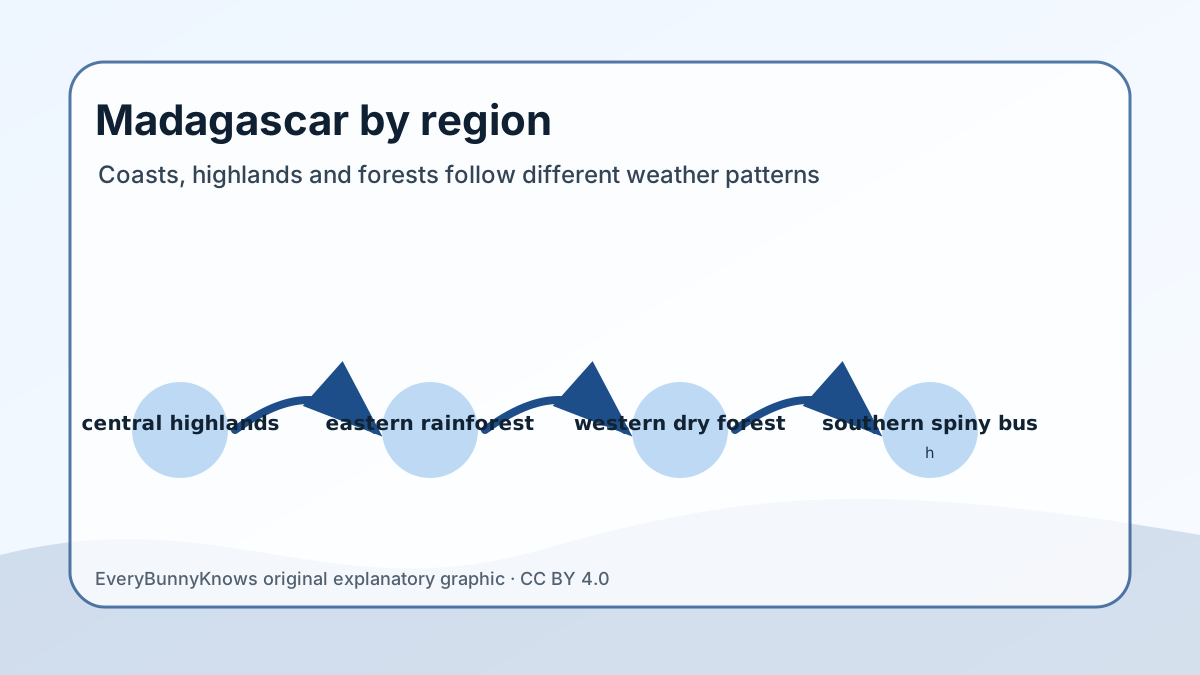
The broad pattern is that April to October is generally drier and more comfortable for travel across much of the country, while November to March brings more heat, humidity and rain. Cyclone risk is highest during the warm wet season, especially for exposed coastal areas, and heavy rain can make secondary roads slow or impassable. That is why many first-time visitors aim for May, June, September or October: roads are usually easier than in the wettest months, landscapes have not all dried out, and temperatures are often more forgiving than in the hottest weeks.
Regional geography matters more than a single national label. The central highlands around Antananarivo and Antsirabe can be cool in the austral winter, especially at night. The eastern rainforest belt, including parks such as Andasibe-Mantadia and Ranomafana, can receive rain in any month because moist trade winds meet the island’s relief. The west and southwest are drier, with deciduous forest, baobab landscapes and spiny thicket that feel very different from the humid east. A trip that combines highlands, rainforest and western dry forest is therefore moving through climate zones, not just changing hotels.
Wildlife adds another calendar. Humpback whales migrate from Antarctic feeding grounds to warm breeding waters around Madagascar in the southern winter; the island of Sainte-Marie is especially associated with whale watching from roughly June to September, with annual variation. Lemur timing is different. Many species give birth around September to November, so late dry season and early rainy season can bring the chance of seeing mothers and infants, though sightings are never guaranteed and responsible guides keep distance. Bird activity often rises with the rains, while reptiles and amphibians are easier to notice in warmer, wetter months.
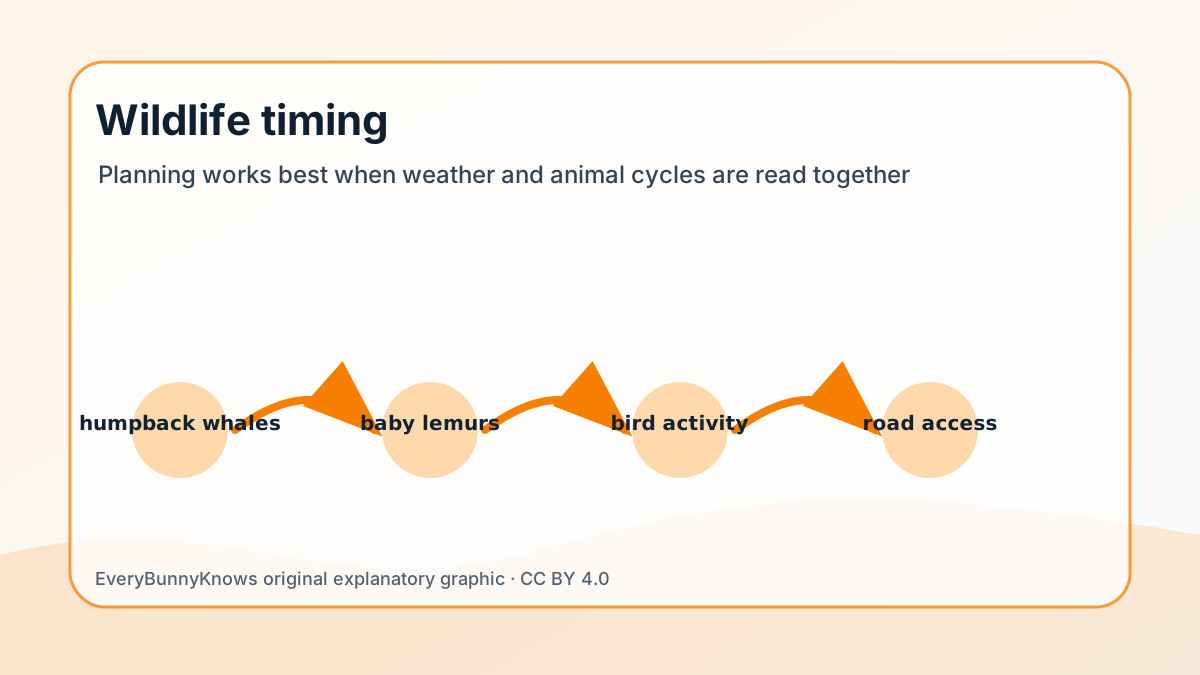
There are trade-offs. July and August can be popular and relatively cool, but some highland mornings are chilly and famous parks may be busier. October can be excellent for wildlife and warmth, yet it can also be hot in the west and south. January to March may be lush and biologically active, but cyclone disruption and road damage are real constraints. A coastal beach plan, a rainforest photography trip and a long overland route do not have the same best month.
The practical lesson is geographic rather than promotional. Start with the region and purpose: whales near Sainte-Marie, lemurs in eastern or southern parks, baobabs in the west, highland culture, diving, birding or a family road trip. Then match that purpose to rainfall, heat, road reliability and park access. Madagascar rewards patient planning because its seasons are not a single switch. They are a moving pattern across mountains, coasts, forests and animals that have evolved on one of Earth’s most distinctive islands.