Who are the Japanese? DNA is making the old origin story more precise
Ancient genomes and modern population studies now point beyond a simple two-part origin story for Japan, showing layered ancestry shaped by Jōmon, Yayoi and later movements.
Felix Arden ·
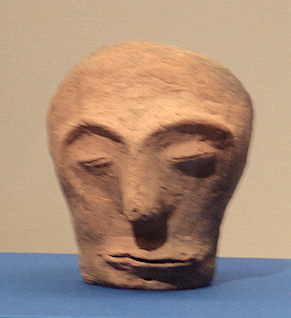
The question “Who are the Japanese?” sounds simple only until evidence is allowed to answer carefully. For much of the twentieth century, popular summaries often described modern Japanese ancestry as a mixture of Jōmon hunter-gatherers and later Yayoi-era farming migrants from the Asian mainland. That two-part model was useful because it linked archaeology, language, farming and physical anthropology into a clear story. New genome studies do not erase that story. They make it more precise, and more interesting.
A widely discussed 2021 study in Science Advances, led by researchers including Trinity College Dublin and Japanese collaborators, analysed ancient genomes and argued for tripartite origins in Japanese populations. In broad terms, the work suggested Jōmon ancestry, a Northeast Asian component associated with later movements, and an East Asian component that became especially visible with the Kofun period’s social transformations. Other genomic work on modern populations continues to refine regional differences. The headline is not that identity has been “solved” by DNA, but that a neat two-source diagram cannot hold all the evidence.
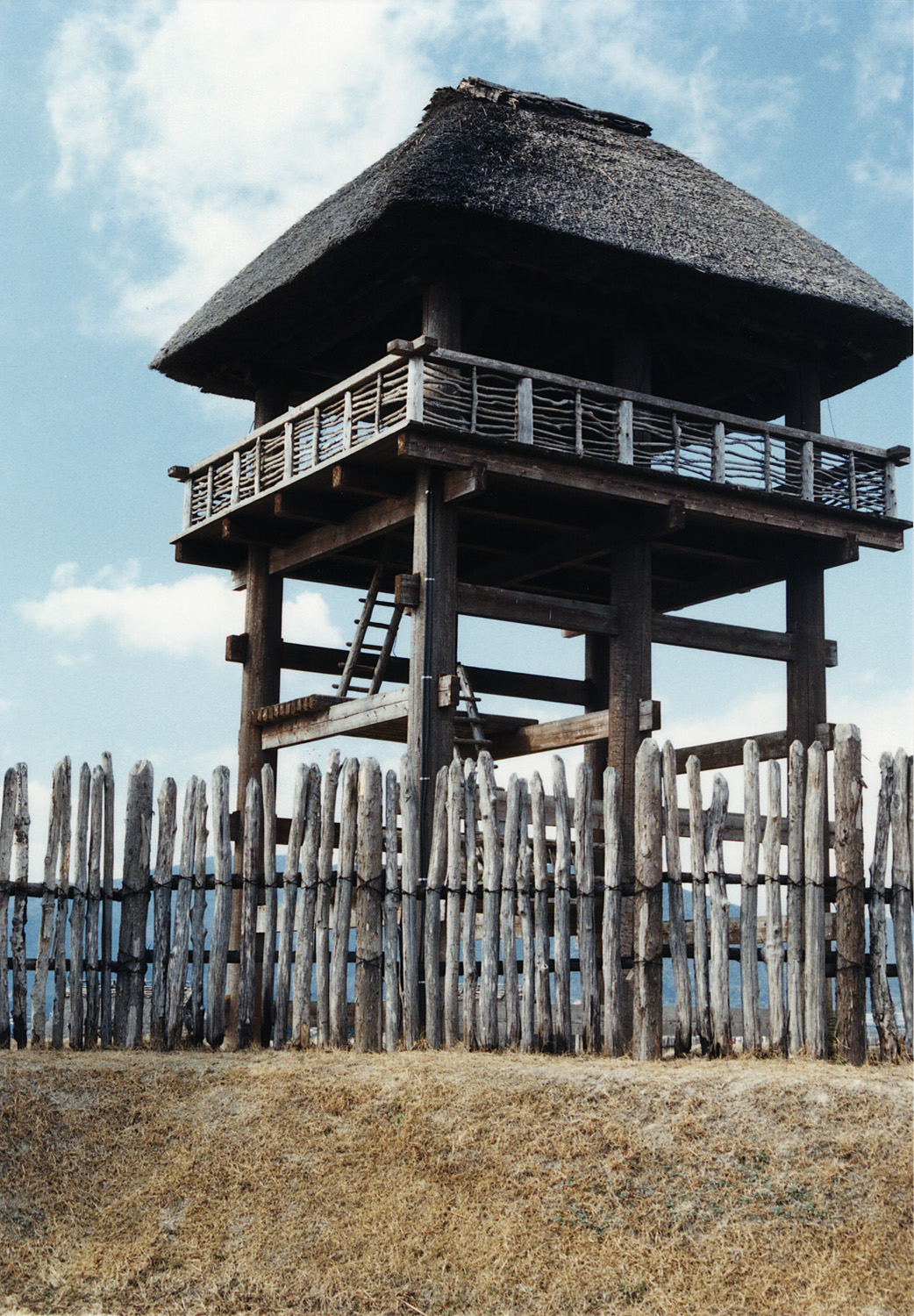
The mechanism is population genetics, not a single dramatic fossil. Researchers compare patterns of shared genetic variants among ancient individuals, modern people and reference populations. Statistical models can estimate whether one group is better explained as a mixture of several ancestral sources than of two. Ancient DNA is especially powerful because it anchors those models in time, but it is also fragile. Warm, humid environments often preserve DNA poorly, sample sizes remain uneven, and a genome cannot speak directly for language, law, ritual or personal identity.
Archaeology keeps the story grounded. Jōmon communities occupied the Japanese archipelago for thousands of years and left distinctive pottery, settlements and ritual objects. The Yayoi period brought wet-rice agriculture, new technologies and social changes that are usually connected with migration and contact from the continent. The Kofun period then saw large burial mounds, political consolidation and new elite networks. Genomics adds another line of evidence to those transitions. It can show that later movements mattered more than an older model allowed, but it cannot reduce Japanese history to percentages.
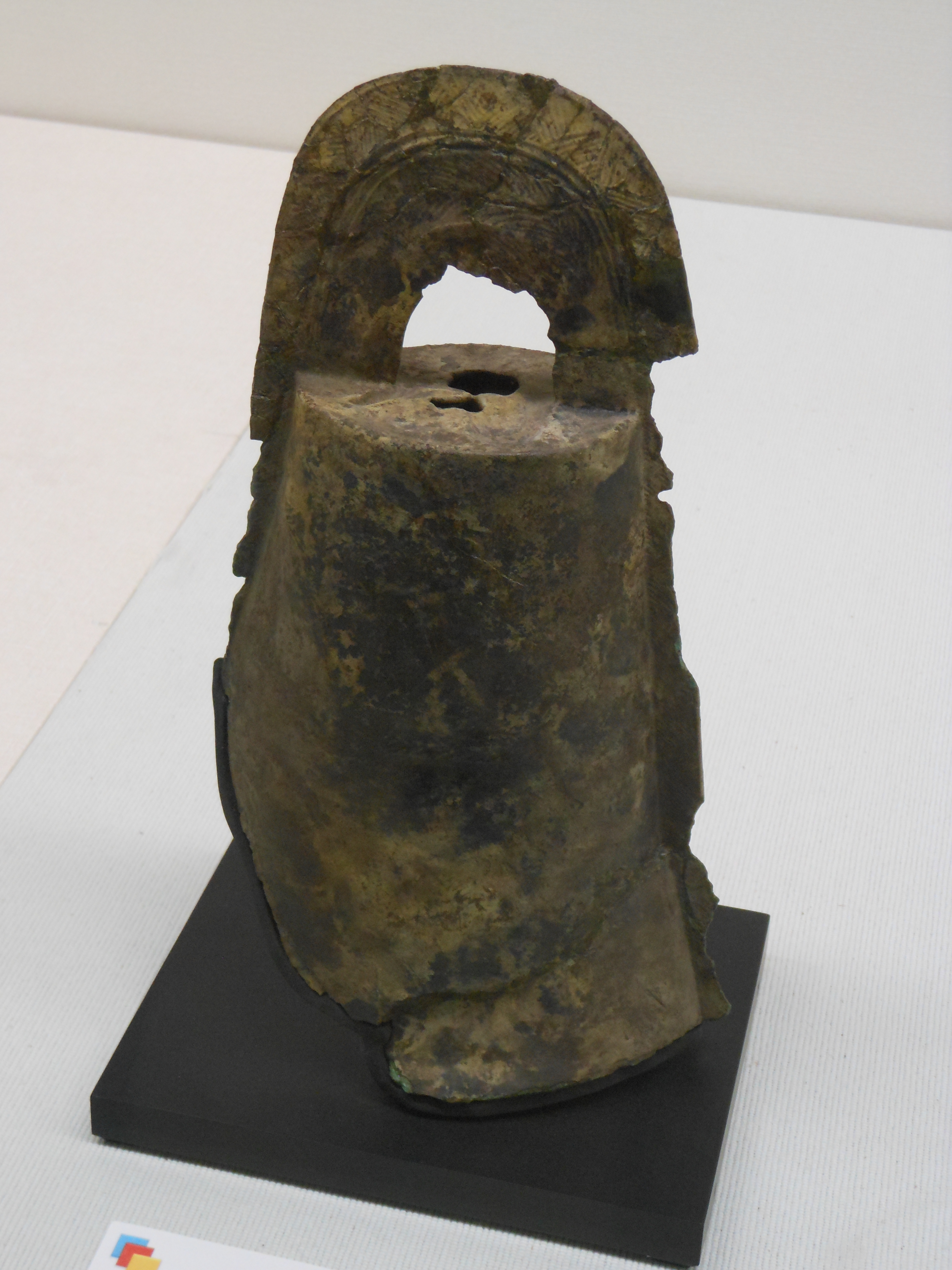
The limits are important because population history is easily misused. Modern nations are not biological units, and no DNA result can decide who belongs culturally or politically. The value of the research is quieter and stronger: it shows how islands can be connected without losing regional texture, and how old models improve when new evidence arrives. For readers, the discovery is hopeful because it makes history less rigid. Japan’s past looks not like a single origin line, but like a long conversation among communities, technologies, landscapes and people whose traces still meet in the present.